••
Ghana Advances National Reforms Amid Labour Unrest and Diplomatic Tensions
•3 min read•52 sources
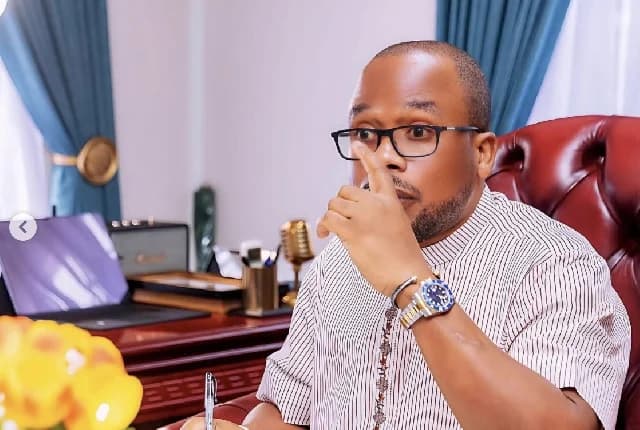
The Ghanaian government is pushing forward with a series of significant administrative and technological reforms even as it navigates rising industrial tensions and diplomatic challenges abroad. President John Dramani Mahama recently headlined these efforts by announcing a landmark amnesty for 1,000 inmates during a historic fellowship at the Nsawam Medium Security Prison, where he also unveiled plans for parole reforms and improved healthcare facilities. Parallel to these social interventions, the Cabinet has approved a new electronic visa policy set to launch on May 25, 2026, which will allow African travellers to apply for visas online at no cost. This initiative, combined with the Ghana Immigration Service's new 'Operation Secure Our Borders' (SECOBOR), signals a robust shift toward modernizing national security and fostering a 24-hour economy through digital transformation.
While the government pursues modernization, the domestic labour landscape is facing significant friction. The Ghana Mineworkers’ Union (GMWU) has voiced strong opposition to a Minerals Commission directive requiring major firms like Newmont and AngloGold to transition to local contract mining by late 2026, warning that the move could erode wages and labour protections. Simultaneously, Abraham Koomson of the Ghana Federation of Labour has warned of growing disunity within Organised Labour, citing political interference and a lack of consensus on national issues. These tensions are mirrored in the transport sector, where the Ghana Ports and Harbours Authority (GPHA) was forced to suspend operations at the Kpone Unity Terminal following fierce protests from freight forwarders over container relocation policies, and residents in Dambai have threatened demonstrations over a nearly 75% hike in ferry fares.
On the international and diplomatic front, the Ministry of Foreign Affairs is actively managing the fallout from xenophobic hostilities in South Africa. Foreign Affairs Minister Samuel Okudzeto Ablakwa has condemned the attacks and coordinated the relocation of Ghanaian citizens, such as Mr. Emmanuel Asamoah, while urging Ghanaians at home to refrain from retaliatory actions against South African businesses. In other international developments, Switzerland has formally endorsed Morocco’s autonomy plan for Western Sahara as the most credible path to peace, while in Tanzania, a government commission’s report on election violence—claiming 518 deaths—has been rejected by opposition leaders as a cover-up. These events underscore a period of volatile regional politics that requires careful diplomatic navigation.
Domestically, the government is also defending its economic strategies, with Ministry of Food and Agriculture officials clarifying that the 'Feed Ghana' initiative is a distinct, modernized program rather than a rebranding of previous failed agricultural schemes. However, policy consultants have raised concerns regarding the 'Cocoa Law,' arguing that farmers receive an inadequate 61% share of global prices, which may be unconstitutional. As the nation celebrates the Asantehene Otumfuo Osei Tutu II’s 27th anniversary—marked by his honoring of both President Mahama and Nana Akufo-Addo for their contributions to peace—Ghana remains at a crossroads between ambitious developmental goals and the pressing need to address systemic inequalities in labour, agriculture, and community security.
This story touches markets covered on Anansi Intelligence ↗.
Related topic
Ghana Immigration Service Recruitment: Latest News →More from politics
Continue exploring similar stories


