••
President Mahama Leads Nationwide Post-Flood Clean-Up as Security Forces and Private Sector Mobilize for Sanitation
•3 min read•30 sources
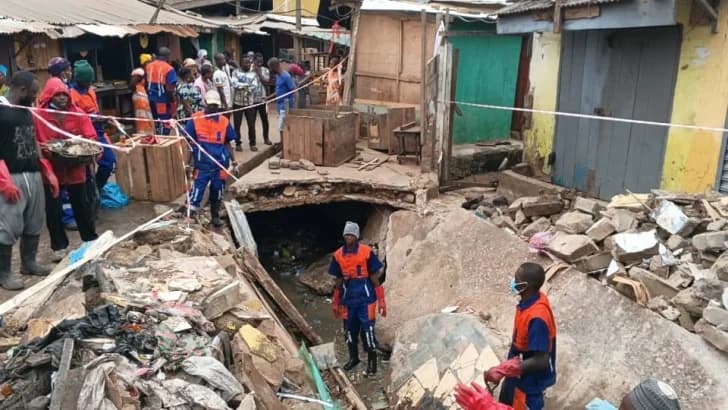
Ghana has embarked on a massive two-day National General Cleaning Exercise to address the devastating aftermath of the June 29 floods. The initiative, themed "Our Actions, Our Future: Cleaning Ghana after the Floods," was launched by President John Dramani Mahama and aims to restore public spaces and mitigate future disaster risks across the seven most affected regions. On July 10 and 11, thousands of security personnel from the Ghana Police Service and the military joined residents, government officials, and volunteers to desilt drains, clear refuse, and remove debris that have historically obstructed the nation's waterways. This mobilization follows a period of severe rainfall that resulted in significant property damage and loss of life, prompting a unified state and community response. During an inspection of the Alajo drains in Accra, President Mahama cautioned citizens against using drainage systems as dumping grounds, noting that silt and plastic waste were primary contributors to recent urban flooding. Vice President Professor Jane Naana Opoku-Agyemang, participating in Nungua, echoed this sentiment, emphasizing that responsible sanitation is a shared duty rather than a solely governmental obligation. To ensure maximum participation, the Accra Metropolitan Assembly (AMA) ordered the temporary closure of shops and markets during the exercise. In Cape Coast, authorities enforced these directives by shutting down non-compliant businesses, while the Afigya Kwabre South District Assembly summoned 17 individuals and institutions for sanitation offenses, signaling a move toward stricter enforcement of environmental bylaws. The national effort has been bolstered by significant contributions from the religious and private sectors. The Church of Jesus Christ of Latter-day Saints donated US$300,000 worth of relief items to the National Disaster Management Organisation (NADMO), while Softcare FM Manufacturing Limited provided GH"200,000 in cash alongside essential hygiene products. Corporate entities like Karpowership Ghana and the Ghana Gold Board (GoldBod) also mobilized staff for cleaning activities and donated critical sanitation equipment to local assemblies. In the Volta Region, community advocate Lom Nuku Ahlijah donated over 200 pieces of cleanup tools to the Keta Municipal Assembly to assist in the recovery of flood-hit neighborhoods, highlighting the collaborative spirit driving the recovery. Beyond the immediate cleanup, the government and local assemblies are looking toward systemic infrastructure improvements to prevent future tragedies. In the Ga South Municipality, officials have identified 1,200 illegal structures for demolition to clear waterways and prevent further encroachment. Traders at the Tema Community One Market have also called for the complete reconstruction of market infrastructure, citing years of unplanned development as a cause for the vulnerabilities exposed during the floods. As Ghana transitions from emergency response to recovery, the focus remains on modernizing drainage systems and fostering a permanent culture of environmental stewardship to safeguard against future climate-related disasters.
This story touches markets covered on Anansi Intelligence ↗.
Related topic
John Mahama: Latest News & Updates →Live rates
Ghana gold price →More from africa
Continue exploring similar stories


