••
Ghana’s Political Leaders Converge at Kwahu Business Forum to Outline Vision for Economic Renewal and Agricultural Reform
•2 min read•49 sources
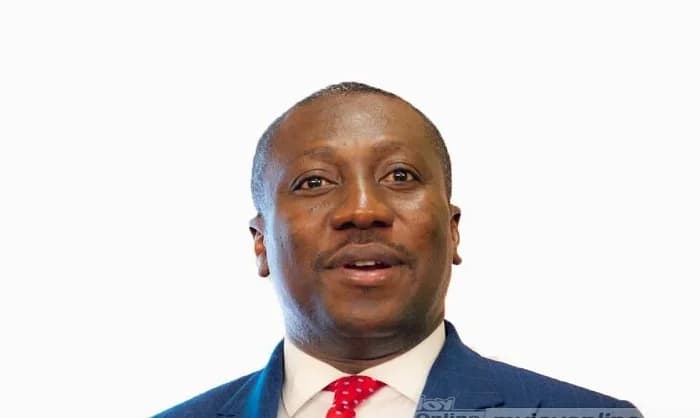
The April 2026 Easter festivities in Kwahu became a significant stage for national political and economic dialogue, highlighted by a cordial meeting between President John Dramani Mahama and former President Nana Addo Dankwa Akufo-Addo. During the Kwahu Business Forum, President Mahama detailed plans to transform the region into a world-class conference destination, featuring a permanent convention center and an airstrip. This initiative is part of a broader strategy to boost tourism and infrastructure. However, the forum also served as a platform for sharp criticism. Minority Leader Alexander Afenyo-Markin and Deputy Minority Whip Jerry Ahmed Shaib condemned the current fiscal climate, citing high interest rates, rising utility costs, and the exclusion of private sector players from policy decisions as major hurdles for Small and Medium Enterprises (SMEs).
In the agricultural sector, tensions rose as Afenyo-Markin accused government-linked contractors of importing rice for the School Feeding Programme, directly defying presidential directives to source produce from local farmers. He warned of a parliamentary inquiry into the lack of transparency at the National Food Buffer Stock Company (NAFCO). Addressing food security from another angle, President Mahama announced a 60-hectare irrigation project aimed at stabilizing year-round tomato production. These agricultural concerns were mirrored in infrastructure, where the GETFund Administrator cautioned contractors against prioritizing profits over quality, threatening sanctions for substandard work on educational projects in rural communities.
On the social and legislative front, several new policies are reshaping Ghana's internal and external relations. Vice President Professor Naana Jane Opoku-Agyemang announced the imminent launch of a Women’s Development Bank to facilitate financial inclusion, alongside commitments to improve education for children with special needs. Meanwhile, the Ministry of Gender launched a new Shock-Responsive Social Protection Strategy to enhance resilience against crises like climate change. Externally, the government’s new "free e-visa" policy for African travelers faced scrutiny from MP Nana Asafo-Adjei Ayeh, who argued the application process still restricts movement. As Ghana positions itself as a leader for the AfCFTA, these domestic reforms and the passing of the GIPA Bill aim to create a more competitive and inclusive investment landscape.
This story touches markets covered on Anansi Intelligence ↗.
Related topic
John Mahama: Latest News & Updates →More from politics
Continue exploring similar stories


