••
Global Statesmanship and National Values: President Mahama Navigates U.S. Engagements Amidst Honorary Degree Controversy
•3 min read•14 sources
President John Dramani Mahama’s recent diplomatic mission to the United States has highlighted a complex intersection of international recognition and domestic values. In a historic achievement, Mahama became the first African leader to receive the International Statesperson Award from the World Affairs Council of Philadelphia, an honor previously held by figures such as Nelson Mandela. During his acceptance, the President attributed his commitment to global peace to the legacies of Africa’s founding fathers. However, this prestige was met with a significant diplomatic friction as Lincoln University withdrew an honorary doctorate previously intended for the President, citing internal pressures regarding his stance on Ghana’s Human Sexual Rights and Family Values Bill. Despite the withdrawal, Mahama maintained his respect for the institution's historical role in African liberation, while receiving strong domestic support from religious bodies.
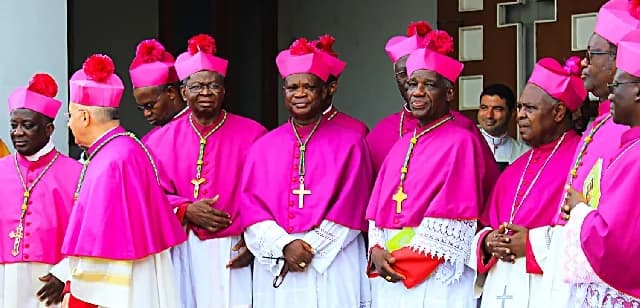
The Ghana Catholic Bishops’ Conference (GCBC) and the Assemblies of God Church have rallied behind the President, expressing solidarity and criticizing the lack of transparency in Lincoln University’s decision. The GCBC urged the Ghanaian Parliament to expedite the transmission of the controversial 'Anti-LGBTQ' Bill to the President for assent, reflecting a firm national stance on the matter. Conversely, the debate over the bill continues within Ghana, with figures like Rev Fr Dr Daniel Justice Eshun cautioning against the 'weaponization' of African traditional religion to justify harsher penalties. Dr. Eshun argued that current anti-LGBTQ sentiments often rely on selective interpretations of tradition that contradict pre-colonial inclusive practices, calling for a return to values of social cohesion.
On the economic front, President Mahama engaged the Ghanaian diaspora in Philadelphia, emphasizing their vital role in national development through annual remittances totaling $7.8 billion. He outlined a vision for economic resilience, including a '24-hour economy' policy, agricultural reforms, and the implementation of free primary healthcare. Amidst global oil price fluctuations driven by Middle Eastern conflicts, the President reassured the public that Ghana maintains six weeks of petroleum reserves and is taking proactive steps to stabilize fuel costs. The engagement also featured lighter moments, with Mahama humorously mimicking the foreign accents some Ghanaians adopt after short stays abroad, while ultimately urging the diaspora to remain authentic cultural ambassadors.
Beyond domestic and economic concerns, the administration is focused on rebuilding Ghana’s international credibility through the 'Operation Recover All Loot' anti-corruption initiative and a proactive regional diplomacy strategy. Mahama has sought to re-engage with Sahelian nations like Mali, Burkina Faso, and Niger to prevent a total fracture of ECOWAS, positioning Ghana as a stabilizing force in West Africa. As Ghana prepares for its 2027 chairmanship of the African Union, the President’s blend of accountability-driven governance and principled diplomacy seeks to cement the nation's footing as a credible and influential player on the global stage.
This story touches markets covered on Anansi Intelligence ↗.
Related topic
John Mahama: Latest News & Updates →More from politics
Continue exploring similar stories


