••
Mahama Administration Ramps Up Health and Education Infrastructure Amid Growing Calls for Systemic Reform
•3 min read•24 sources
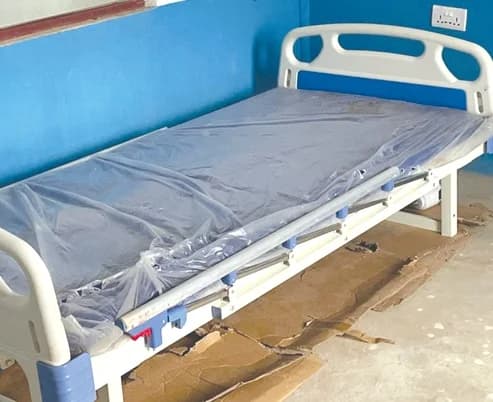
The Ghanaian government, led by President John Dramani Mahama, has launched a series of major infrastructure and social initiatives aimed at revitalizing the nation's health and education sectors. Central to this agenda is the reconstruction of the La General Hospital, which the President has set for completion by November 2027. The €50 million project is expected to provide 160 new beds, significantly alleviating the pressure on Accra's healthcare facilities. In a parallel move to bolster tertiary healthcare and medical training, the Ghana Education Trust Fund (GETFund) has awarded a GH"400 million contract for the procurement of modern medical equipment for a new teaching hospital at the Kwame Nkrumah University of Science and Technology (KNUST). This initiative is supported by key stakeholders, including Asantehene Otumfuo Osei Tutu II, and aims to transform the Ashanti Region into a hub for clinical research.
In tandem with these large-scale projects, the government is addressing immediate healthcare access and governance. Dr. Grace Ayensu-Danquah, Deputy Minister of Health, was recently appointed to the African High Level Ministerial Committee (AHLMC) to lead reforms in Africa's global health architecture. Locally, the National Health Insurance Scheme (NHIS) has initiated a district-wide registration drive in Kpandai, targeting 40,000 new subscribers to operationalize the Free Primary Health Care policy. Furthermore, President Mahama announced plans to repurpose a COVID-era emergency center at Burma Camp to tackle the "no-bed syndrome," providing a stabilization point for critical cases. Efforts to improve rural health are also evident in Atebubu-Amantin, where MP Sanja Nanja recently equipped the Seinti CHPS compound with essential medical supplies and solar power.
In the education sector, the government is focusing on student welfare and financial support, though it faces significant challenges. Vice President Prof. Naana Jane Opoku-Agyemang recently donated 40,000 boxes of sanitary pads to schools in the Upper West Region to combat period poverty and reduce absenteeism. Additionally, GETFund has released GH"22.3 million to cover WASSCE practical fees for Senior High Schools, warning headmasters against charging students for these covered costs. However, these advancements are contrasted by growing labor and financial tensions. The Teacher Trainees’ Association of Ghana (TTAG) has staged nationwide protests over recruitment backlogs and posting delays, arguing that recent recruitment efforts remain inadequate for the thousands of graduates awaiting placement.
Broader systemic issues continue to draw criticism from religious leaders and diplomats. The Methodist Church Ghana has called for an urgent end to the double-track system, citing a critical infrastructure deficit that hinders effective learning. Internationally, High Commissioner to the UK Sabah Zita Benson revealed that the government owes approximately #5 million in unpaid stipends to PhD students. While acknowledging the debt, Benson criticized scholars who continue to claim stipends after securing employment abroad, calling for stricter enforcement of scholarship frameworks. As the government pushes toward a "24-hour economy" and expanded services, these financial and structural hurdles remain pivotal points of debate for the country's development trajectory.
This story touches markets covered on Anansi Intelligence ↗.
Related topic
John Mahama: Latest News & Updates →More from politics
Continue exploring similar stories


