••
West African Leaders Mobilize as Devastating Floods Displace Thousands and Claim Over 70 Lives Across the Sub-region
•3 min read•13 sources
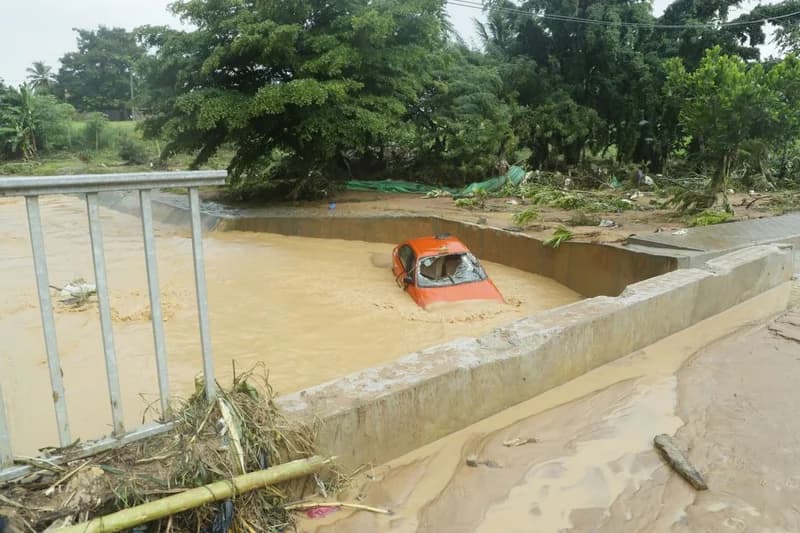
Severe flooding and relentless downpours have triggered a humanitarian crisis across West Africa, claiming at least 72 lives and displacing tens of thousands of residents. In Ghana, President John Dramani Mahama reported that approximately 48,000 people have been rendered homeless across seven regions, including the Greater Accra Region, following a catastrophic rainfall event on June 29 that saw over 140mm of rain in a single day. The death toll in Ghana has reached at least 13, with recovery efforts still underway in areas like the Weija Gbawe Municipality. In neighboring C$te d’Ivoire, the situation is even more dire, with at least 59 confirmed fatalities as emergency responders struggle to manage the impact of unprecedented landslides and submerged infrastructure.
In a significant show of regional solidarity, President Julius Maada Bio of Sierra Leone, acting as Chairman of the ECOWAS Authority, visited Accra to express his condolences to President Mahama. The two leaders discussed the immediate need for disaster relief and coordinated recovery efforts ahead of the upcoming ECOWAS Summit. To address the local devastation, President Mahama has allocated $29 million for flood mitigation and relief, while ordering the demolition of structures illegally cited in waterways. The Ghana Armed Forces and the National Disaster Management Organisation (NADMO) have been mobilized to clear debris and distribute essential supplies, with official relief distribution set to begin on July 4.
The crisis has also highlighted severe social and gender-specific vulnerabilities. Gender advocate Maribel Akuorkor Okine has warned that the displacement of thousands into crowded shelters creates heightened risks for women and girls, including increased exposure to gender-based violence and a lack of private health facilities. Furthermore, the scarcity of resources in these shelters is reportedly fueling community tensions and mental health pressures among displaced men. These social challenges, combined with the loss of lives in communities such as Adakope, where two bodies were recently recovered, underscore the complexity of the recovery process beyond mere infrastructure repair.
Experts and government officials attribute the increasing frequency and intensity of these weather events to climate change and rapid, poorly planned urbanization. With climate adaptation costs for Africa estimated between $30 billion and $50 billion annually, the current disaster serves as a stark reminder of the urgent need for improved urban planning and resilient drainage systems. As West African nations grapple with the aftermath, the focus remains on immediate humanitarian aid while seeking long-term strategies to protect vulnerable populations from the worsening impacts of extreme weather in the sub-region.
This story touches markets covered on Anansi Intelligence ↗.
More from africa
Continue exploring similar stories


