Ghana News AI
HomeBriefsAsk GhanaTopicsTools
•
•

Stay Informed

Get AI-curated news briefs from Ghana delivered to your inbox every morning. Free forever, no spam.

Explore

  • Home
  • Briefs
  • About

Categories

  • Politics
  • Business
  • Sports
  • Entertainment
  • Africa

Features

  • Analysis
  • Cedi Rates
  • Dollar to Cedi
  • Ghana Gold Price
  • BoG Policy Rate

Topics

  • Armed Forces Recruitment
  • WAEC Results & News
  • Nana Ama McBrown
  • NDC News
  • All Topics

Legal

  • Privacy Policy
  • Terms of Service
Ghana News AI© 2026. All rights reserved.
Made withfor Ghana
africa

Water Resources Commission Issues Alert Over Potential Bagre Dam Spillage Starting August 11

2 days ago•2 min read•2 sources
Water Resources Commission Issues Alert Over Potential Bagre Dam Spillage Starting August 11
  1. Home
  2. /Africa
  3. /Water Resources Commission Issues Alert Over Potential Bagre Dam Spillage Starting August 11

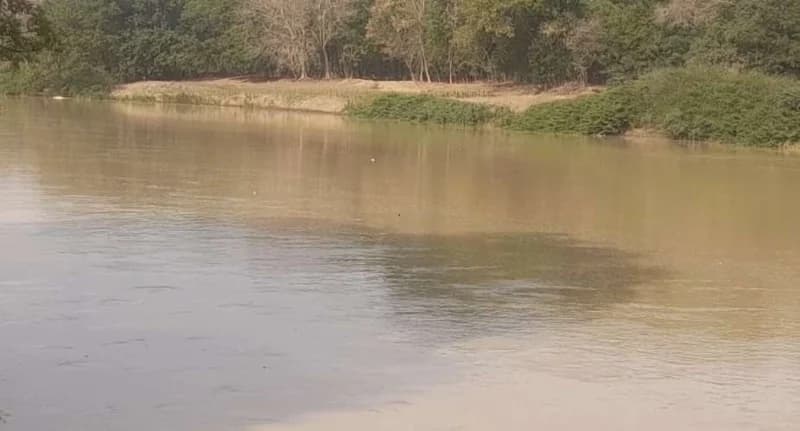
The Water Resources Commission (WRC) has issued a critical warning to farmers and residents in northern Ghana regarding a potential controlled spillage from the Bagre Dam in Burkina Faso. According to a notification from SONABEL, the dam's operators, the spillage is tentatively scheduled to begin on August 11, 2026, should water levels continue to rise. This annual exercise often leads to significant flooding in downstream communities along the White Volta River, prompting Ghanaian authorities to activate early warning protocols to safeguard lives and livelihoods in the Upper East and Northern regions.

Current data as of August 4, 2026, indicates that the reservoir level stands at 232.93 metres, representing approximately 62.77% of its total capacity. The WRC clarified that the controlled release of water will be triggered once the reservoir reaches the critical threshold of 234.00 metres. While the spillage is a necessary measure to manage the structural integrity of the dam in Burkina Faso during the rainy season, the resulting surge in water volume poses a substantial threat to Ghanaian communities that are historically vulnerable to such events.

Farmers situated along the Kubore River and the banks of the White Volta have been specifically urged to exercise extreme caution and maintain high levels of vigilance. The WRC has advised these individuals to closely monitor river levels and begin preparatory measures for possible evacuations. In previous years, the sudden influx of water from the Bagre Dam has destroyed thousands of hectares of farmlands, submerged homes, and displaced entire communities. By issuing this alert a week in advance, authorities hope to provide enough lead time for residents to move livestock and harvested crops to higher ground.

Beyond the immediate danger to agriculture, the WRC and local disaster management agencies are calling for strict adherence to all safety directives. Residents in the affected regions are encouraged to stay informed through official communication channels as the situation evolves. As the August 11 deadline approaches, the Commission remains in constant contact with Burkinabe counterparts to track the dam's status, emphasizing that timely coordination and community preparedness are essential to mitigating the perennial challenges posed by the Bagre Dam spillage.

Our Take

From the Team

Coming Soon

Our team will add key insights, trends, and actionable takeaways to help you stay informed faster.

This story touches markets covered on Anansi Intelligence ↗.

More from africa

Continue exploring similar stories

Aboso Dynamite Explosion Kills Four Following Attempt to Kill Snake Near Filling Station
africa|2 days ago

Aboso Dynamite Explosion Kills Four Following Attempt to Kill Snake Near Filling Station

Tragedy struck the town of Aboso in the Western Region after a dynamite explosion killed four individuals and left several others with varying degrees of injury. The incident, which occurred near a local filling station, has sent shockwaves through the community, highlighting the persistent dangers of improperly managed explosives in Ghana's mining-rich areas. Emergency services responded swiftly to the scene to provide medical assistance and secure the perimeter, but for four victims, the blast proved fatal. According to eyewitness accounts and preliminary reports, the blast was triggered by a seemingly mundane act that took a horrific turn. It is reported that individuals were attempting to kill a snake when their actions inadvertently ignited illegally stored dynamite. The resulting explosion was so powerful that many residents initially mistook the sound and the subsequent tremors for an earthquake. The proximity of the blast to a filling station raised immediate fears of a secondary fire, though fortunately, the fuel tanks did not ignite. Local authorities and investigators have since moved in to determine the source of the explosives and the legality of their storage. Early indicators suggest the dynamite was being kept in an unauthorized location, a factor that could lead to criminal charges for those responsible for the storage. Investigators are expected to look into why such hazardous materials were accessible and stored without adherence to the strict safety protocols mandated by the Minerals Commission and other regulatory bodies. This disaster in Aboso brings back painful memories of previous explosive-related tragedies in the Western Region, most notably the 2022 Appiatse disaster. Mining communities continue to grapple with the risks associated with both large-scale operations and illegal mining activities. Local leaders are calling for more stringent enforcement of safety regulations and public education regarding the handling of industrial materials. As the community mourns the four victims, the incident serves as a stark reminder of the urgent need for better oversight of explosive storage across the country.

Ghana Navy Bolsters Maritime Security with EU-Funded Patrol Boats and Specialized Personnel Training
africa|2 days ago

Ghana Navy Bolsters Maritime Security with EU-Funded Patrol Boats and Specialized Personnel Training

The Ghana Navy has significantly bolstered its operational capacity following the delivery of two high-speed Rigid Hull Inflatable Boats (RHIBs) donated by the European Union. These advanced vessels, provided under the EU’s Support to West Africa Integrated Maritime Security (SWAIMS) Programme, were officially integrated into the fleet to strengthen the nation's maritime response and surveillance capabilities. This development underscores the ongoing commitment of President John Mahama’s administration to safeguarding Ghana’s territorial waters and protecting vital economic interests in the Gulf of Guinea. The deployment of these boats follows the successful conclusion of a specialized Boat Operators Training Course for Navy personnel at the Naval Training Command in Nutekpor on August 4, 2026. During the intensive program, selected sailors were equipped with the technical skills required to operate and maintain the new RHIBs, focusing on tactical maneuvering, search and rescue protocols, and vessel sustainability. By combining state-of-the-art maritime technology with highly trained personnel, the Ghana Navy is now better positioned to execute rapid response missions in high-pressure offshore environments. These new maritime assets are expected to play a critical role in addressing persistent security challenges, including piracy, armed robbery at sea, and Illegal, Unreported, and Unregulated (IUU) fishing. The addition of the RHIBs enhances the Navy’s reach, allowing for faster reaction times when emerging threats are detected near coastal communities or offshore infrastructure. As part of a broader regional framework, this initiative highlights the essential collaboration between Ghana and its international partners to foster a secure and stable maritime environment across West Africa.

President John Mahama Strengthens Ghana-Jamaica Ties Through Historic Bob Marley Museum Visit
africa|2 days ago

President John Mahama Strengthens Ghana-Jamaica Ties Through Historic Bob Marley Museum Visit

President John Mahama has visited the iconic Bob Marley Museum in Kingston, Jamaica, as part of a strategic effort to deepen cultural and diplomatic relations between Ghana and the Caribbean nation. Accompanied by Jamaican Prime Minister Andrew Holness, the visit served as a symbolic gesture of the enduring bond between West Africa and its diaspora. This high-profile engagement underscores President Mahama’s commitment to Pan-Africanism and the promotion of shared heritage as a foundation for modern international cooperation. During the tour of the museum, which was once the home and studio of the legendary reggae musician, President Mahama participated in a meaningful video conference with members of the Marley family. The interaction focused on the late musician’s profound influence on global culture and his lifelong advocacy for African unity and liberation. Both leaders reflected on how Marley’s message remains a powerful catalyst for connecting people of African descent across the Atlantic, reinforcing the importance of cultural legacy in modern diplomacy. Beyond the cultural symbolism, the visit aimed to lay the groundwork for enhanced bilateral cooperation in critical sectors such as trade, tourism, and education. President Mahama and Prime Minister Holness discussed leveraging their nations' historical links to create economic opportunities, particularly in the creative arts and heritage tourism industries. By aligning Ghana’s tourism potential with Jamaica’s global cultural influence, the two governments hope to foster a reciprocal relationship that benefits both economies and strengthens the "Global Africa" concept. The visit concludes a series of engagements aimed at revitalizing Ghana's foreign policy within the Caribbean region. As President Mahama continues his current term following his 2025 inauguration, such diplomatic missions are expected to translate into concrete agreements that facilitate easier travel and educational exchanges between the two countries. The legacy of Bob Marley, rooted in the quest for justice and African pride, continues to serve as the bridge through which Ghana and Jamaica seek to build a more integrated and prosperous future for their citizens.

Asogli State Council Announces 2026 Yam Festival Programme and Imposes Eight-Week Funeral Ban
africa|2 days ago

Asogli State Council Announces 2026 Yam Festival Programme and Imposes Eight-Week Funeral Ban

The Asogli State Council has officially set the stage for the 2026 edition of the Asogli Te Zã, popularly known as the Yam Festival. In a formal announcement, the Council detailed an extensive three-month program of activities beginning in August and culminating in October 2026. Central to the preparations is a mandatory ban on funerals within the traditional area, which will take effect from August 17 to October 4, 2026. This measure is intended to foster a solemn yet celebratory atmosphere as the people of Asogli observe their most significant cultural heritage event. The festival's itinerary is designed to celebrate the harvest and strengthen community bonds. The official launch of the 2026 Asogli Te Zã is scheduled for August 12, marking the formal commencement of the festive season. Following this, the Council has prioritized the role of the younger generation with a Youth Empowerment Day on August 22. Throughout September, a series of cultural celebrations and traditional rites will take place, highlighting the rich history and customs of the Asogli people. These activities serve to prepare the community for the spiritual significance of the harvest rites. The climax of the festival will be the Grand Durbar, set for October 3, 2026. This event typically attracts thousands of visitors, including traditional leaders, government officials, and tourists, to witness the vibrant display of Ewe culture and the traditional presentation of new yams. The Council emphasized that the success of the festival depends on the collective participation and adherence to traditional protocols by all residents and visitors. Beyond the festivities, the Asogli Te Zã serves as a period for reflection, unity, and development planning. By imposing the funeral ban, the traditional authorities aim to prioritize the social cohesion required for the festival's success. The Council has urged the public to cooperate with the directives to ensure a peaceful and memorable celebration. As preparations intensify, the 2026 festival is expected to reinforce the cultural identity of the Asogli State while contributing significantly to the local economy through tourism and social mobilization.

All
africa
business
education
entertainment
health
news
politics
sports
technology