••
President Mahama Signals Economic Resurgence as AI-Driven Revenue Gains and Industrial Projects Anchor Growth
•2 min read•4 sources
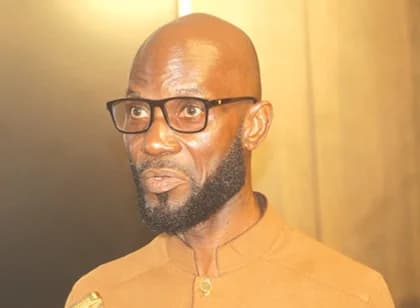
President John Mahama has declared a resurgence in investor confidence in Ghana's economy, citing strict fiscal discipline and prudent management as the catalysts for reducing national debt and inflation. During a high-level meeting with Makhtar Diop, Managing Director of the International Finance Corporation (IFC), the President outlined a strategic focus on commercial agriculture, local cocoa processing, and critical infrastructure development. This optimism is supported by a $300 million World Bank financing package intended to enhance the education sector by phasing out the double-track system in senior high schools by 2027, alongside the IFC's commitment to supporting sustainable economic growth and agricultural value chains.
Adding tangible weight to this economic outlook, the Ghana Revenue Authority (GRA) reported a significant breakthrough in revenue mobilization. Since April 2026, the integration of Artificial Intelligence (AI) into customs valuation and classification has boosted monthly customs revenue by approximately $100 million. Monthly collections have risen from $350 million to over $450 million, a feat achieved through digital innovation and administrative reforms rather than the introduction of new taxes. Speaking at the West African Tax Administration Forum (WATAF) in Accra, GRA leadership emphasized that these automation efforts, alongside plans to tax the informal sector more effectively, are essential to closing the $100 billion annual financing gap facing West African development.
On the industrial front, President Mahama has unveiled plans to transform the reclaimed Agbogbloshie landfill site in Accra into a vibrant industrial hub. A key component of this redevelopment is the establishment of a new textile factory designed to provide employment opportunities for the youth. This initiative reflects a broader national strategy to repurpose reclaimed land for productive economic activities, shifting from environmental hazard management to industrial value creation. The project is expected to serve as a model for utilizing urban space to stimulate local manufacturing and reduce the country's reliance on imported textiles.
Complementing these state-led initiatives, the Ghana Tourism Federation (GHATOF) is intensifying efforts to convert tourism interest into long-term capital investment. At a recent summit held in collaboration with the U.S.-based SHE International Empowerment Global Summit, GHATOF President Seth Okran encouraged members of the Ghanaian diaspora, particularly African Americans, to move beyond leisure travel and invest in agriculture, real estate, and hospitality. As the government streamlines pathways for citizenship and institutional support, these diverse efforts—from AI-enhanced tax collection to diaspora-led investment and urban industrialization—point toward a multi-faceted approach to sustaining Ghana’s economic recovery.
Related topic
Ghana Customs Recruitment: Latest News & Updates →

