••
National Leadership Under Pressure: Urgent Calls for Action on Galamsey Crisis, Healthcare Accountability, and Infrastructure Stagnation
•3 min read•36 sources
The administration of President John Dramani Mahama is facing intensifying pressure from civil society and political leaders to address a series of escalating national crises, most notably the devastating impact of illegal mining, known as galamsey. Recent data from the Forestry Commission has revealed a staggering loss of over 9,000 hectares of forest reserves to illegal mining operations, prompting IMANI Africa President Franklin Cudjoe to demand immediate, decisive enforcement over mere policy statements. Joining these calls, former MP Inusah Fuseini has urged the presidency to implement strict Key Performance Indicators (KPIs) for Metropolitan, Municipal, and District Chief Executives (MMDCEs) to ensure local accountability. The severity of the environmental threat has even led security analyst Dr. Ishmael Norman to advocate for a controversial 'shoot-to-kill' approach, framing the galamsey struggle as a national security war against influential financiers.
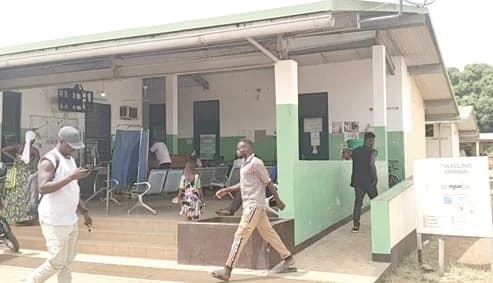
Beyond environmental concerns, the government is grappling with significant institutional failures in the healthcare sector. The Ministry of Health has recently established an investigation committee to probe the tragic death of 29-year-old engineer Charles Amissah, who allegedly died after being denied emergency care at several major facilities, including Korle Bu and Ridge Hospital. This incident has reignited public outcry over the efficacy of Ghana's emergency medical systems. Meanwhile, the Kpandai District Hospital remains 'strained to the limit,' operating with a single doctor for thousands of residents. While some progress is noted—such as the inauguration of a refurbished polyclinic in Bortianor by MP Felix Akwetey Okle—parliamentary critics like Biakoye MP Jean-Marie Formadi continue to slam the government for stalled road projects and unpaid contractors, which they argue has crippled local economies and youth employment.
On the social and geopolitical front, the 2026 International Women’s Day theme, 'Rights. Justice. Action. For ALL Women and Girls,' has become a rallying cry for broader inclusive governance. UN Women Executive Director Sima Bahous and local advocates like Juliana Afia Mahmood have highlighted that women, particularly those with disabilities, still face significant barriers to justice and leadership. In response to these multi-faceted challenges, President Mahama has emphasized spiritual and moral renewal, urging the public to prioritize evangelism, while Ambassador Victor Smith has called on the Ghanaian diaspora to move beyond politics and invest in nation-building. As the government navigates these domestic pressures, it also faces a shifting geopolitical landscape where China's strategy of 'economic attraction' in Africa is increasingly challenging traditional Western influence, necessitating a more multipolar approach to resource management and national development.
This story touches markets covered on Anansi Intelligence ↗.
Related topic
John Mahama: Latest News & Updates →More from politics
Continue exploring similar stories


