••
President Mahama Orders Fuel Tax Cuts and Ministerial Coupon Ban to Cushion Economic Strain
•3 min read•21 sources
President John Dramani Mahama has returned to Ghana from an official visit to France to lead an emergency Cabinet session focused on addressing the escalating cost of fuel. Faced with external pressures from geopolitical tensions in the Middle East that have disrupted global oil supplies, the President has authorized an immediate relief package designed to protect households and businesses. The government's intervention includes the temporary suspension of specific petroleum taxes and margins, a move aimed at preventing a ripple effect on transport fares and the general cost of living. During his time in France, the President co-chaired the 2026 One Health Summit with Emmanuel Macron, but he truncated his international engagements to prioritize the domestic energy crisis.
As part of a broader strategy to demonstrate fiscal discipline during this volatile period, President Mahama has enforced a total ban on fuel allowances and coupons for all ministers and senior government officials. Government spokesperson Felix Kwakye Ofosu emphasized that this directive is effective immediately, signaling the administration's commitment to reducing public expenditure while citizens face rising costs. To further alleviate the burden on commuters, the government has ordered the urgent deployment of 100 newly acquired Metro Mass Transit (MMT) buses. These buses are tasked with operating on high-traffic routes at significantly lower fares than private operators, with an additional 200 buses scheduled for delivery by November 2026 to stabilize the transport sector.
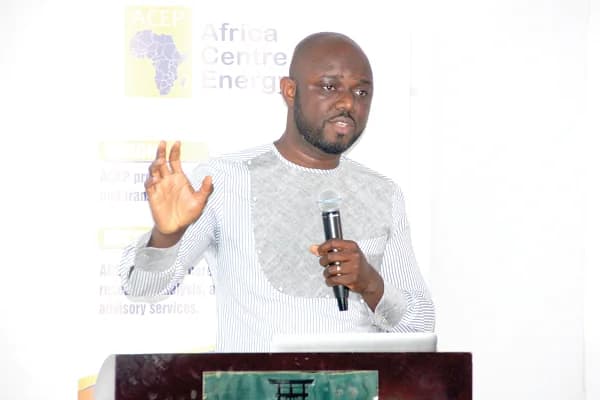
The proposed tax interventions, to be executed by Finance Minister Cassiel Ato Forson and Energy Minister John Jinapor, are expected to take effect in the upcoming pricing window. However, the policy has met with varying reactions from industry stakeholders. The Africa Centre for Energy Policy (ACEP) has raised concerns, with Executive Director Benjamin Boakye warning that removing levies designed to service energy sector debts could simply shift the financial burden to other areas, such as road maintenance or public sector salaries. Meanwhile, the Ghana Private Road Transport Union (GPRTU) in the Volta Region has cautioned drivers against implementing unauthorized fare hikes, threatening prosecution for those who exploit the current situation before official negotiations with the Cabinet are concluded.
Despite the current global crisis, government officials maintain that Ghana’s economic foundations remain resilient, citing a current inflation rate of 3.2%. The Chamber of Bulk Oil Distributors (CBOD) has also called for measured public discourse regarding the petroleum sector to protect the industry's integrity during ongoing investigations by the Special Prosecutor into tax compliance. The Cabinet intends to review the impact of the tax removals after a 21-day period to determine if further extensions or interventions are necessary, balancing immediate consumer relief with the requirements of long-term fiscal stability.
This story touches markets covered on Anansi Intelligence ↗.
Related topic
John Mahama: Latest News & Updates →More from politics
Continue exploring similar stories


