••
Mahama Administration Launches Free Primary Healthcare and Fuel Price Relief to Bolster Social Welfare
•3 min read•38 sources
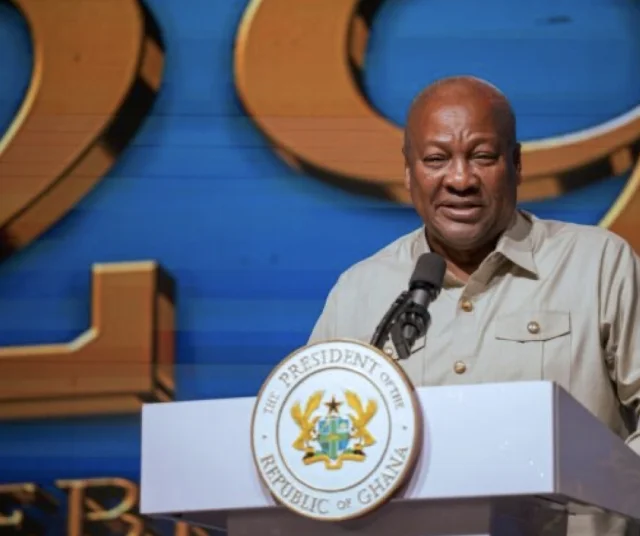
President John Dramani Mahama has officially launched the Free Primary Healthcare (FPHC) programme, a major policy initiative aimed at achieving universal health coverage and eliminating financial barriers for Ghana's most vulnerable populations. Funded by a ring-fenced GH"1.2 billion allocation from the National Health Insurance Scheme (NHIS), the programme will initially target 150 underserved districts. The initiative introduces "health kiosks" in public spaces and provides community nurses with specialized medical backpacks to deliver care directly to homes. While the World Health Organization (WHO) has praised the move as a transformative step for preventive health, the policy has sparked political debate, with Deputy Health Minister Dr. Grace Ayensu-Danquah defending it against claims that it mirrors previous opposition programmes, asserting it as an original NDC manifesto commitment.
Parallel to the healthcare rollout, the government has implemented a temporary reduction in fuel prices to alleviate the rising cost of living. Effective April 16, 2026, the state will absorb GH"2.00 per litre for diesel and GH"0.36 per litre for petrol, a move estimated to cost the government GH"200 million in revenue over the next month. Ministry of Energy spokesperson Richmond Rockson described the intervention as a "people-centered" sacrifice to protect consumers from global market volatility. However, the move has faced criticism from industry players; Dr. Riverson Oppong, CEO of COMAC, argued that the reductions place an undue financial burden on oil marketing companies rather than reflecting genuine state-funded relief, calling for tax concessions to support the downstream sector.
In a broader push to stimulate the national economy, the administration is also advancing its "24-hour economy" agenda through infrastructure and service extensions. The Driver and Vehicle Licensing Authority (DVLA) is set to extend operational hours until 10:00 pm at 15 selected offices nationwide starting May 4, 2026, to reduce congestion and improve accessibility. Simultaneously, the government has broken ground on a new 24-hour market in Odomase and completed major sanitation exercises at the Kasoa New Market to facilitate round-the-clock commercial activity. These efforts are complemented by progress in the housing sector, with the 800-unit Kpone Affordable Housing Project slated for completion by September 2026 to help address the national housing deficit.
Despite these developmental strides, the government faces internal governance challenges and industry pushback. Member of Parliament Vincent Ekow Assafuah has raised alarms over an alleged unauthorized salary doubling by the Acting CEO of the NPRA, Chris Boadi-Mensah, calling for a probe into governance protocols. Additionally, the Ministry of Trade and Agribusiness has labeled recent sachet water price hikes as "economic sabotage," warning producers against defying price stabilization directives. As the administration navigates these fiscal and regulatory tensions, the success of its flagship social policies will likely depend on maintaining the balance between aggressive public spending and long-term economic stability.
This story touches markets covered on Anansi Intelligence ↗.
Related topic
NDC (National Democratic Congress): Latest News →More from politics
Continue exploring similar stories


