••
Ghana Navigates Diplomatic Triumphs in France Amid Domestic Accountability Demands and Resource Shortfalls
•3 min read•42 sources
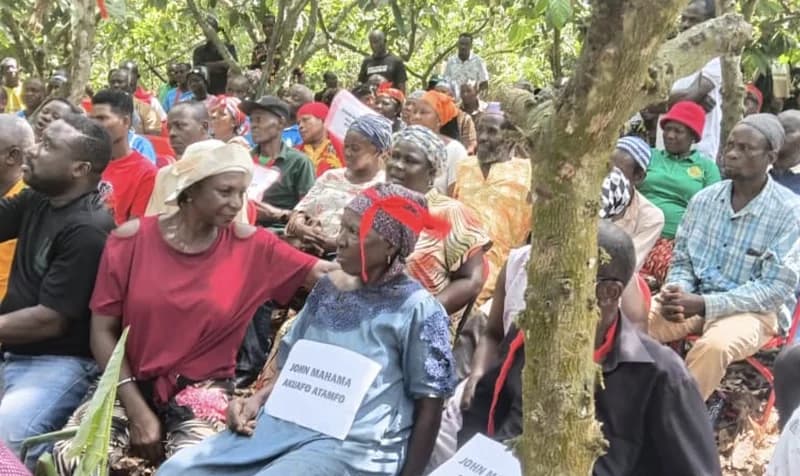
President John Dramani Mahama's high-profile diplomatic mission to France has secured Ghana's position as the inaugural beneficiary of the National Health Compact, marking a significant milestone in bilateral relations. During the state visit in April 2026, President Mahama and French President Emmanuel Macron co-chaired the One Health Summit, focusing on the intersection of climate change and global health security. The talks also advanced cooperation on major infrastructure projects, notably the Accra-Kumasi Expressway, and secured commitments from the Agence Française de Développement (AFD) to support Ghana's agricultural and maternal health sectors. Minister for Foreign Affairs Samuel Okudzeto Ablakwa praised the visit as a success, highlighting President Macron's support for reparatory justice and the return of historical artifacts, which further strengthened the diplomatic ties between the two nations. However, this international progress is currently being shadowed by mounting domestic scrutiny over several major government contracts and fiscal transparency concerns. A primary point of contention is the Truedare Publican AI Customs agreement, which former MP Joseph Cudjoe warns could lead to billions of GHS in revenue loss due to undisclosed revenue-sharing terms and a lack of transparency regarding the contract's tenure. While the Ministry of Finance defends the AI rollout as a critical modernization step for port efficiency and revenue enhancement, critics argue that the absence of a public revenue-sharing formula risks public funds. Similarly, the aviation sector faces legal challenges as lawyer Charles Akoto Lamptey Jnr has petitioned the Presidency to halt the refurbishment of Terminal 2 at Kotoka International Airport. The petition argues that the ongoing works are a misleading 'repurposing' of outdated infrastructure that fails to provide value for money or meet modern security standards. In the energy and natural resource sectors, the Public Interest and Accountability Committee (PIAC) has raised alarms over a six-year decline in crude oil production, which is projected to fall to 37.3 million barrels in 2025. PIAC has formally instructed the Ghana National Petroleum Corporation (GNPC) and Explorco to account for US$561.8 million in missing petroleum revenues that should have been deposited into the Petroleum Holding Fund. To address these systemic transparency issues, Energy Minister Dr. John Abdulai Jinapor has pledged to publish all Power Purchase Agreements (PPAs) on a new ministry website to prevent the kind of secret negotiations that led to a $140 million legal judgment against the state in 2017. These economic challenges are mirrored in the agricultural sector, where cocoa farmers in the Ahafo Region have staged protests over payment delays and declining producer prices, prompting parliamentary leaders to urge farmers to resist selling their land to illegal miners. On the social front, the government has taken proactive steps with the launch of the inaugural Maternal Mental Health Policy (2026–2037), aimed at integrating mental health services into reproductive care. This initiative aligns with broader calls from leaders like Korle-Klottey MP Dr. Zanetor Agyeman-Rawlings for specialized pension schemes for women farmers, who remain the backbone of the local economy. From the strategic diplomatic heights of Paris to grassroots development projects like 'Operation Lighten Up' in the Evaloe Adjomoro-Gwira constituency, Ghana's political landscape is currently defined by a delicate balance between ambitious modernization and the urgent need for fiscal accountability and social protection.
This story touches markets covered on Anansi Intelligence ↗.
Related topic
John Mahama: Latest News & Updates →More from politics
Continue exploring similar stories


