••
Government Set to Expand STEM Education in Zongo Communities as Regional Leaders Seek Ghana Card Extensions
•2 min read•2 sources
President John Dramani Mahama has announced a significant expansion of the nation's educational infrastructure, specifically targeting Zongo communities with new Community Day E-block Science, Technology, Engineering, and Mathematics (STEM) Senior High Schools. Speaking during the 2026 Eid al-Adha National Prayer Session in Accra, the President outlined a vision to bring high-quality technical education directly to urban and Zongo areas, effectively reducing the travel burden on students. This move is complemented by ongoing administrative efforts in the Volta Region, where local leaders are pushing for inclusive identification processes to ensure all students are integrated into the national system.
The government’s commitment to Zongo communities extends beyond school buildings. President Mahama detailed a comprehensive development agenda that includes rehabilitating road networks, starting with Koforidua Zongo, and establishing a fund to bolster small businesses. Highlighting progress in Islamic education, the President confirmed the recruitment of 6,000 Arabic teachers under the Youth Employment Agency, emphasizing that all salary payments are up to date. These initiatives represent a holistic approach to socio-economic upliftment, pairing educational advancement with infrastructure and employment opportunities within marginalized urban enclaves.
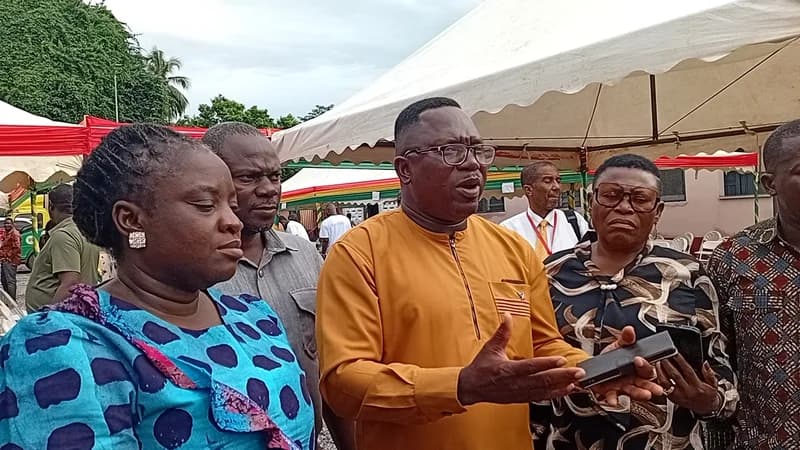
Simultaneously, the Metropolitan, Municipal, and District Chief Executives (MMDCEs) in the Volta Region are addressing a critical administrative gap by urging the National Identification Authority (NIA) to extend the Ghana Card registration deadline for children aged 6 to 14. Represented by Mr. Jerry Ameko, the MMDCEs reported that operational challenges—ranging from poor internet connectivity and adverse weather to crowd management issues—have left many schools unregistered. In the Adaklu District alone, fewer than 40 out of 48 schools were reached before the deadline, prompting calls for mobile registration teams to reach rural areas where students face difficulties traveling to district capitals.
These dual developments reflect a broader national push to modernize the educational landscape and ensure equitable access to state resources. While the construction of STEM schools aims to prepare the next generation for a globalized economy, the demand for registration extensions underscores the necessity of robust administrative support to prevent the exclusion of children in remote areas. As the government moves forward with its infrastructure projects, the success of these educational reforms will likely depend on the seamless integration of physical facilities and the formal documentation required for student participation in the digital age.
This story touches markets covered on Anansi Intelligence ↗.
Related topic
John Mahama: Latest News & Updates →More from education
Continue exploring similar stories


