••
West Africa Strengthens Industrial and Energy Frontiers Through Strategic Human Capital and Technological Partnerships
•3 min read•9 sources
West Africa is witnessing a significant surge in industrial and technological collaboration, aimed at positioning the sub-region as a global hub for innovation and self-sustaining growth. At the forefront of this movement is the Africa Energy Technology Conference (AETC) 2026, scheduled to be opened by President John Mahama on May 19 at the Labadi Beach Hotel in Accra. Under the theme "From Borders to Bridges: Driving Intra-African Trade and Development through Energy & Technology Services," the three-day event is expected to host over 1,500 delegates, including 55 African ministers and heads of state from Angola, Mozambique, and Namibia. The conference aligns with Mahama’s "Accra Reset" initiative, which emphasizes technological self-sufficiency and the integration of youth and women into the energy sector to transition Africa from a consumer to a major energy producer.
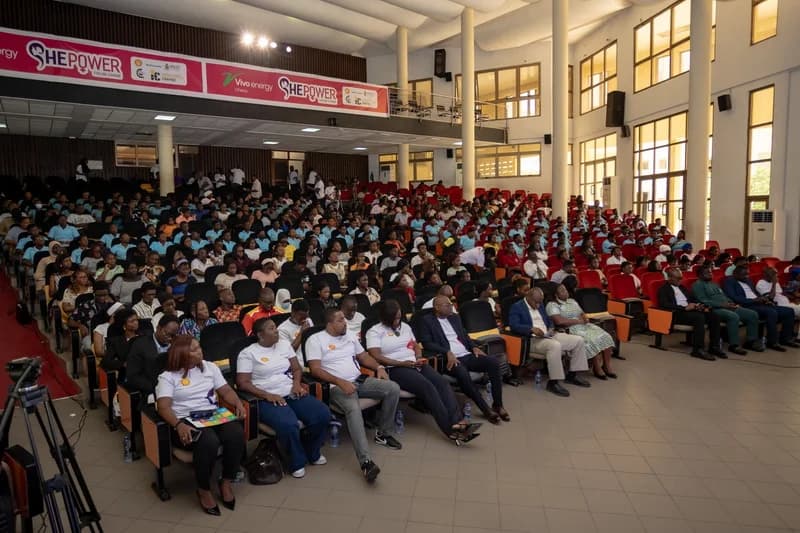
Parallel to these high-level diplomatic efforts, grassroots human capital development is being prioritized through initiatives like the 2026 ShePower Summit. Hosted by Vivo Energy Ghana at the Kwame Nkrumah University of Science and Technology (KNUST), the summit brought together over 500 participants to encourage women's participation in STEM and engineering. A key outcome of the event was the launch of the NextGen Energy Innovators Challenge and the signing of a memorandum of understanding between Vivo Energy and KNUST to foster industry-academic collaboration. These efforts address existing gender disparities in technical roles and seek to inspire a new generation of female engineers to solve Ghana's energy challenges.
Further boosting the region's technical capacity, the Africa Development Council (ADC) has designated Burkina Faso as the continental headquarters for its Industrial Human Resource Development programme. Announced by ADC President Dr. Bright Atsu Sogbey, this initiative aims to transform Burkina Faso into a premier training hub for elite industrial engineers and technicians. The ADC also recognized President Ibrahim Traoré for his commitment to a domesticated industrial revolution. Complementing this regional drive, Ghana has partnered with Japan to launch a specialized skills development program. This collaboration between the Ghana TVET Service and Green Auto Factory AICHI of Japan provides youth with intensive automotive training, Level Three certification, and Japanese language instruction to enhance global employability and modernize the local automotive sector.
Together, these developments signal a coordinated shift toward industrialization and energy security across the Sahel and coastal West Africa. By combining high-level policy forums like the AETC with practical technical training and gender-inclusive mentorship, the region is building a robust framework for economic independence. The focus on intra-African trade and localized production reflects a growing consensus among leaders and private sector partners that sustainable development will be driven by Africa's own human capital and technological innovation.
This story touches markets covered on Anansi Intelligence ↗.
Related topic
John Mahama: Latest News & Updates →More from africa
Continue exploring similar stories


