••
President Mahama and Global Leaders Adopt Landmark 'Accra Next Steps' Roadmap for Reparatory Justice
•3 min read•13 sources
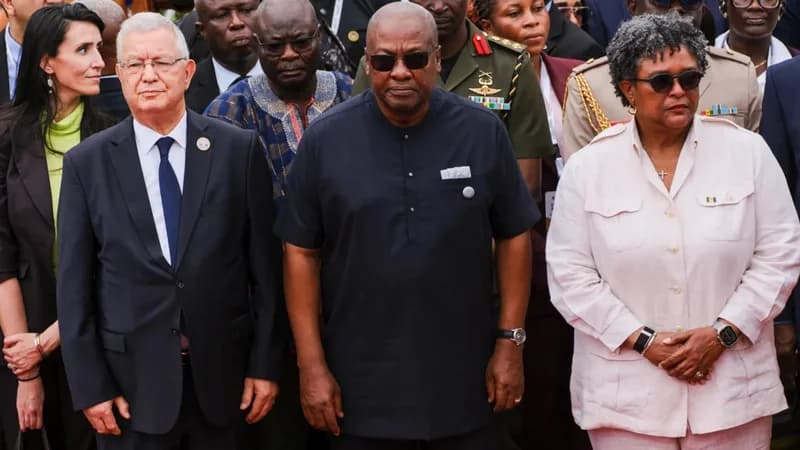
The Accra Reparatory Justice Conference has concluded with the historic adoption of the 'Accra Next Steps Commitment,' a comprehensive framework designed to address the enduring consequences of slavery, colonialism, and systemic injustices against people of African descent. Hosted by Ghana’s President John Dramani Mahama, the three-day summit gathered heads of state, diplomats, and experts from across Africa and the Caribbean to forge a united front. The conference produced a 46-paragraph commitment document that outlines practical actions including restitution, compensation, and institutional reforms. This roadmap, bolstered by a 19-point reparations plan endorsed by the African Union and CARICOM, marks a significant shift from mere recognition of historical wrongs to a coordinated global movement for justice.
Central to the conference's outcomes were tangible commitments regarding cultural restitution and formal apologies. The governments of the Netherlands and Germany announced plans to return approximately 2,000 looted artefacts to Ghana, a move described by Foreign Affairs Minister Samuel Okudzeto Ablakwa as a major step in reclaiming African cultural heritage. Additionally, Denmark issued a formal apology for its role in the transatlantic enslavement system and pledged support for the preservation of historical sites. These developments were complemented by the establishment of three new global bodies tasked with overseeing the reparations agenda and advocating for reforms in global financial and educational systems to combat structural inequalities.
The summit also featured a historic joint commemoration of Juneteenth at the Christiansborg Castle in Accra, marking the first time the event has been officially observed outside the United States. President Mahama, alongside Barbados Prime Minister Mia Amor Mottley and other dignitaries, participated in a wreath-laying ceremony and a reenactment of the transatlantic slave trade to honor the legacy of the enslaved. During the ceremony, leaders emphasized that reparatory justice must transcend financial compensation, focusing instead on healing, the restoration of dignity, and the strengthening of ties between Africa and its global diaspora.
As the 'Accra Next Steps Commitment' moves toward presentation at the United Nations General Assembly, it signals a growing international willingness to confront the 'gravest crime against humanity.' While nations such as the United Kingdom and the United States have historically resisted financial reparations, the conference highlighted a shifting tide in global discourse, supported by UN Resolution A/RES/80/250. By focusing on gender-responsive solutions and unconditional apologies, the roadmap seeks to create a more equitable global order that acknowledges the link between historical exploitation and contemporary economic disparities, ensuring that the quest for justice remains a central pillar of international relations.
This story touches markets covered on Anansi Intelligence ↗.
Related topic
John Mahama: Latest News & Updates →More from africa
Continue exploring similar stories


