••
President Mahama Spearheads National Clean-Up and Infrastructure Reform Following Deadly June Floods
•3 min read•46 sources
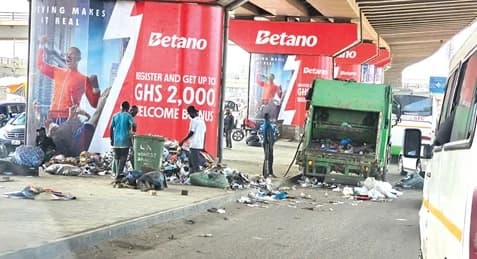
In the wake of a catastrophic flood on June 29, 2026, which claimed 34 lives and displaced approximately 90,000 residents across the Greater Accra Region, President John Dramani Mahama has initiated a massive two-day National General Clean-up Exercise. The disaster, characterized by severe urban flooding and significant property damage, prompted the government to mandate the closure of all shops and commercial establishments during the morning hours of July 10 and 11. President Mahama, who personally joined cleaning efforts in Alajo and Tse Addo, emphasized that the initiative is not merely a symbolic gesture but a critical step toward restoring the city and reducing future risks. He pledged that the government would "bounce back" and improve sanitation practices across the seven affected regions.
To address the immediate waste management crisis, the President directed the immediate activation of six waste transfer stations that had remained dormant for nearly a decade. Managed by Zoomlion Ghana Limited, these stations are intended to streamline refuse collection, preventing cleared debris from being washed back into the drainage system. Furthermore, the Ghana Armed Forces have been deployed to dredge major waterways and wetlands, ensuring that rainwater has clear outlets. Minister for Local Government Ahmed Ibrahim confirmed the deployment of 600 tricycles to facilitate the evacuation of silt and waste, while also announcing plans for new regional landfill sites in Ayikuma, Sege, and Paanor to replace the over-capacity Kpone dumpsite.
The recovery effort has been met with both strict administrative warnings and sharp civil society critique. Greater Accra Regional Minister Linda Ocloo issued a stern ultimatum to Metropolitan, Municipal, and District Chief Executives (MMDCEs), threatening immediate dismissal for any official who approves building permits on unauthorized sites or waterways. This crackdown on illegal development is mirrored by warnings from MPs like Samuel Nartey George of Ningo-Prampram, who linked infrastructure damage to illegal sand winning and environmental degradation. However, critics like Kofi Bentil of IMANI Africa have labeled the clean-up efforts as "reactive," arguing that Ghana’s sanitation crisis is an engineering and leadership failure rather than a financial one. Bentil and other figures, including activist A-Plus and musician Efia Odo, have called for sustainable, long-term urban planning instead of what they describe as "clean-up charades."
As the government considers establishing a permanent monthly national clean-up day to instill community responsibility, the focus remains on enforcing existing environmental laws. Member of Parliament Bernard Bediako Baidoo argued that the state’s failure to implement regulations is a primary driver of recurring disasters. While the immediate focus is on relief and sanitation, the broader conversation has shifted toward structural reforms, including the demolition of illegal salt pans blocking waterways in Ada West and a more rigorous approach to urban land-use planning. President Mahama has urged all Ghanaians to abandon "vulture-like" habits of delaying action, calling for a proactive national culture of cleanliness to safeguard the country against the worsening impacts of climate change.
This story touches markets covered on Anansi Intelligence ↗.
More from politics
Continue exploring similar stories


