••
Advancing Health and Rights: Lordina Foundation Boosts Healthcare Infrastructure Amidst Calls for Systemic Reform Across Africa
•3 min read•15 sources
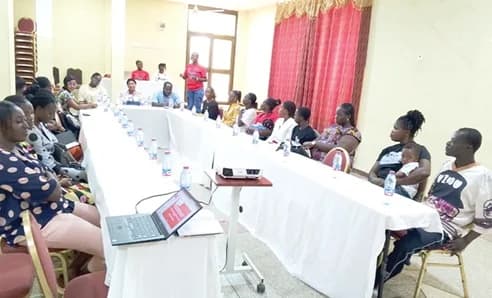
In a significant move to enhance maternal and infant healthcare in Ghana, the Lordina Foundation, led by former First Lady Mrs. Lordina Dramani Mahama, has officially commissioned the newly renovated Anyima Health Centre in the Kintampo South District of the Bono East Region. This project marks the sixth health facility upgraded by the Foundation and is equipped with modern medical facilities, including an adolescent center, delivery wards, and an expanded Out-Patient Department. Designed to serve over 3,000 residents, the center aims to drastically reduce maternal and infant mortality rates by providing accessible, high-quality care. During the commissioning, Mrs. Mahama emphasized the critical importance of community ownership and announced that the facility would soon be integrated into a broader Primary Health Care Programme spearheaded by former President John Dramani Mahama, which aims to provide free medical services to further improve health utilization in the region.
However, while new infrastructure offers promise, recent assessments highlight significant systemic gaps in Ghana’s healthcare landscape. A report by ActionAid Ghana and the Young Urban Women Movement revealed that over 40% of Adolescent-Friendly Health Corners (AFHCs) across nine regions lack essential personnel, infrastructure, and visibility. These deficiencies threaten national progress in addressing teenage pregnancy and sexually transmitted infections (STIs), underscoring the need for equitable expansion and revitalization of youth-targeted services. Similarly, stakeholders in the Western Region involved in the KASA! Project have criticized the lackadaisical attitude of prosecutors regarding sexual violence cases. These advocates highlighted delays in filing disclosures and a lack of urgency in juvenile sexual abuse trials, calling for urgent judicial reforms to ensure accountability and justice for survivors.
Beyond Ghana’s borders, the push for health innovation and human rights protection continues to gain momentum across the continent. In Kenya, the digital Empower platform is tackling the rising cancer crisis by facilitating early detection and linking over 235,000 women to treatment through a network of specialized clinics. Meanwhile, the 2026 Thematic Report from the African Committee of Experts on the Rights and Welfare of the Child has sounded the alarm on the persistent challenges of Female Genital Mutilation (FGM) and child marriage. Despite legal prohibitions in many African Union member states, the report notes that inconsistent enforcement and deep-seated cultural norms continue to fuel these harmful practices, necessitating comprehensive strategies that amplify the voices of girls and close legal loopholes.
Complementing these high-level interventions are grassroots initiatives aimed at long-term community resilience. In Accra, the organization Salaam Ghana recently distributed food boxes to 250 vulnerable families in Madina during Ramadan, but emphasized that charity must evolve into community empowerment. By focusing on professional management and reinvestment in local educational institutions, the group aims to harness untapped talent and foster sustainable growth. Together, these developments—from the commissioning of rural health centers to the implementation of digital health platforms and judicial advocacy—reflect a multifaceted effort to address the complex health and social challenges facing the African continent today.
This story touches markets covered on Anansi Intelligence ↗.
More from africa
Continue exploring similar stories


