••
Outrage and Judicial Scrutiny Follow Public Flogging of Woman for Adultery in Sabha, Libya
•2 min read•1 source
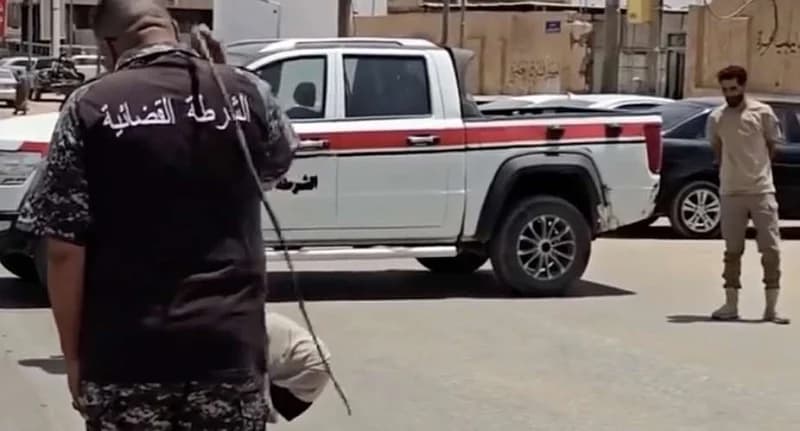
The emergence of a disturbing video showing a woman being publicly flogged in the Libyan city of Sabha has ignited a firestorm of controversy and widespread condemnation from human rights advocates. The footage, which depicts the woman receiving 100 lashes in a public square as punishment for alleged adultery, has become a focal point for debates surrounding the intersection of traditional legal practices, morality, and modern human rights standards in Libya. The incident has not only shocked the public but has also put a spotlight on the precarious state of justice and the treatment of women within the country's legal and social framework. Human rights organizations and activists have been quick to denounce the punishment, arguing that such acts of public humiliation are indicative of systemic failures within the Libyan justice system. Critics contend that the enforcement of these draconian laws violates fundamental human rights and international treaties to which Libya is a party. The United Nations has previously raised alarms regarding an escalating trend of violence against women in the region, noting that the application of such severe corporal punishments often bypasses rigorous due process and serves to further marginalize vulnerable populations. These groups are calling for an immediate halt to such practices and a comprehensive reform of the judicial codes that permit public floggings. In response to the mounting public outcry and international pressure, the Benghazi Judicial Police Office has announced a formal investigation into the incident. Authorities have indicated that the probe will focus on whether the sentencing and subsequent execution of the flogging adhered to existing regulations and legal protocols. While the investigation marks a step toward official accountability, it also highlights the deep-seated tensions between various administrative and judicial entities in a country still navigating the complexities of post-conflict governance. The outcome of this inquiry is seen as a critical indicator of whether Libya will move toward international human rights alignment or continue the enforcement of controversial and violent penal measures.
This story touches markets covered on Anansi Intelligence ↗.
More from africa
Continue exploring similar stories


