••
Tragedy Off Libyan Coast: 12 Bodies Recovered After Migrant Boat Capsizes Near Derna
•2 min read•4 sources
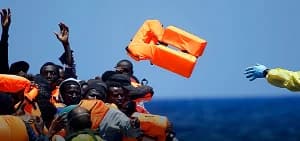
Emergency response teams in Libya are currently engaged in a somber recovery operation following the capsizing of a migrant boat off the coast of Derna. Local authorities have confirmed the retrieval of 12 bodies thus far, as search and recovery teams continue to scour the waters for additional victims and attempt to determine the total number of individuals who were on board. The incident serves as another grim reminder of the extreme risks faced by migrants attempting the perilous journey across the Mediterranean Sea in search of safety or better economic opportunities in Europe.
The precise scale of this latest tragedy remains unfolding, but the context is part of a much larger, deadlier trend. The incident occurred along the Central Mediterranean route, a maritime path notorious for its high fatality rate and recognized by the International Organisation for Migration (IOM) as one of the deadliest migration corridors in the world. In the previous year alone, the IOM reported that over 2,100 migrants died or went missing while attempting this crossing, highlighting the desperate conditions and the inadequacy of the overcrowded, often unseaworthy vessels utilized by human smugglers.
Beyond the confirmed statistics, humanitarian organizations warn that the actual death toll in the Mediterranean is likely significantly higher than official records suggest. Many shipwrecks go unrecorded—often referred to as "invisible shipwrecks"—where vessels disappear without any distress calls or survivors to tell the story. This ongoing humanitarian crisis continues to challenge international maritime policies and rescue capabilities. As search efforts persist near Derna, the international community faces renewed pressure to address the root causes of migration and the urgent need for safer, legal alternatives for those caught in the crosshairs of human trafficking networks.
This story touches markets covered on Anansi Intelligence ↗.
More from africa
Continue exploring similar stories


