••
Libyan Archaeologists Battle Climate Change and Looting to Save Ancient Greek Heritage at Cyrene and Apollonia
•2 min read•1 source
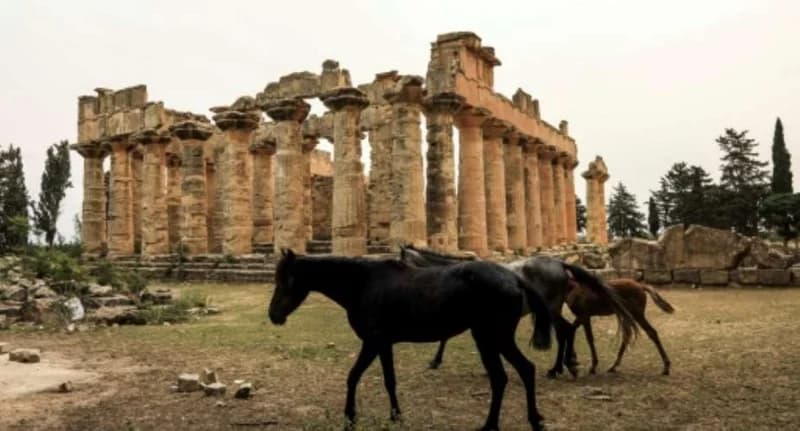
Archaeologists in eastern Libya are currently engaged in a high-stakes struggle to preserve the ancient Greek ruins of Cyrene and Apollonia, which face existential threats from both environmental disasters and human conflict. These UNESCO-listed sites, once flourishing centers of ancient Greek colonies, have recently been battered by the devastating effects of Storm Daniel and long-term instability in the region. The situation is increasingly dire as local experts work tirelessly to safeguard what remains of these breathtaking historical landmarks against a backdrop of political uncertainty and limited resources. The environmental impact on these sites has been profound. While the torrential rains and flooding brought by Storm Daniel caused significant damage to the infrastructure of the ruins, the disaster also led to unexpected archaeological breakthroughs by unearthing previously hidden artifacts and structures. However, these discoveries are overshadowed by the looming threat of rising sea levels, which specifically endangers the coastal site of Apollonia. Experts warn that without immediate intervention, parts of this ancient port city could be lost to the Mediterranean forever, erasing centuries of history. Beyond natural disasters, the preservation teams must also contend with the threat of looting by jihadist groups and opportunistic thieves. In response to the lack of formal security, local archaeologists have resorted to extraordinary measures to protect Libya's cultural heritage. Some have taken the risk of hiding valuable artifacts within their own homes to keep them out of the hands of looters, while others maintain a constant, informal watch over the expansive ruins. These improvised tactics reflect a deep personal commitment to historical preservation in the absence of a robust national security framework. As the situation stabilizes following the storm, there is a growing consensus among local experts that the future of Cyrene and Apollonia depends on both international support and a shift in local perspectives. There are urgent calls for the international community to provide technical expertise and funding for restoration efforts. Furthermore, advocates for the sites emphasize the need to foster a greater sense of heritage ownership among the local population to ensure long-term protection. The battle to save these ruins is not merely about preserving stones, but about safeguarding a unique historical narrative that belongs to both Libya and the world.
This story touches markets covered on Anansi Intelligence ↗.
More from africa
Continue exploring similar stories


