••
Brigadier General Lawrence Deku and Security Experts Call for Strategic Collaboration to Tackle Africa’s Evolving Threats
•2 min read•5 sources
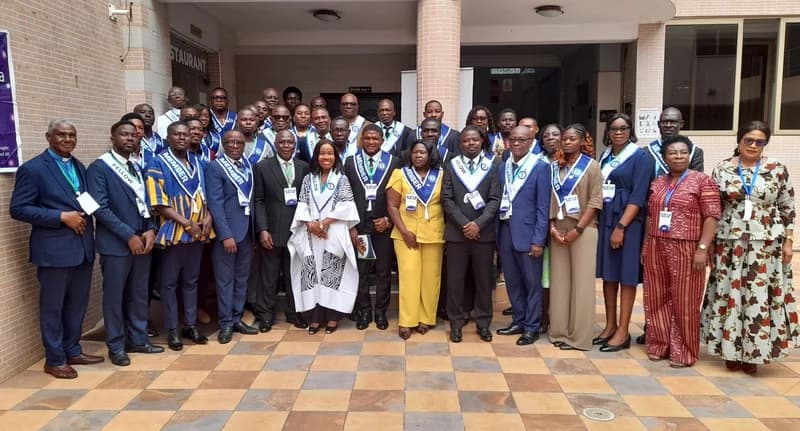
Brigadier General Lawrence Deku, Deputy Commandant of the Kofi Annan International Peacekeeping Training Centre (KAIPTC), has called for a fundamental shift in how Africa approaches its security landscape, urging practitioners to move from isolated interventions to a model of deep stakeholder collaboration. Speaking at the General Assembly and Induction Ceremony of the Association of Conflict, Peace and Security Experts in Africa (ACPSEA), Deku emphasized that the continent faces increasingly complex and non-traditional challenges. These include food insecurity, political crises, and the persistent rise of violent extremism, all of which require a unified front from experts across various sectors to ensure regional stability.
The ACPSEA assembly served as a platform for the induction of 77 new members into the professional body, which is dedicated to enhancing conflict management and peacebuilding through a continental network. Deku highlighted the importance of "collective intelligence," noting that no single professional or organization can address the current security climate in isolation. The association aims to standardize professionalism and promote knowledge exchange, ensuring that peacebuilding efforts are not only reactive but proactive. By building a robust network of experts, the ACPSEA intends to support peace initiatives that are grounded in both regional expertise and shared strategic goals.
Complementing this call for professional collaboration, voices from the Ghana Armed Forces Command and Staff College (GAFCSC) recently underscored the need for military leadership to modernize its approach. During the college's 50th Anniversary and Graduation Service, Mr. Thomas Svanikier urged military graduates to prepare for emerging threats such as cyber-attacks and natural disasters. He stressed that effective leadership in the modern era requires humility and a willingness to share intelligence across borders. Svanikier warned that personal ego and institutional silos remain significant barriers to regional security, advocating instead for a spirit of service that prioritizes human security and responsible command.
Ultimately, the consensus among these security leaders is that sustainable peace in Africa depends on integrating local communities into security solutions. Brigadier General Deku and other speakers at the ACPSEA assembly noted that communities should be viewed as active contributors rather than passive recipients of security. As Africa navigates a period of significant political transition and environmental pressure, the focus must remain on proactive conflict resolution and sustained investment in peacebuilding. By bridging the gap between high-level military strategy and community-level engagement, practitioners hope to build a more resilient and peaceful continent.
This story touches markets covered on Anansi Intelligence ↗.
More from africa
Continue exploring similar stories


