••
Minister Lartey and Local Leaders Call for Social Reform to Protect Children's Education Across Ghana
•3 min read•6 sources
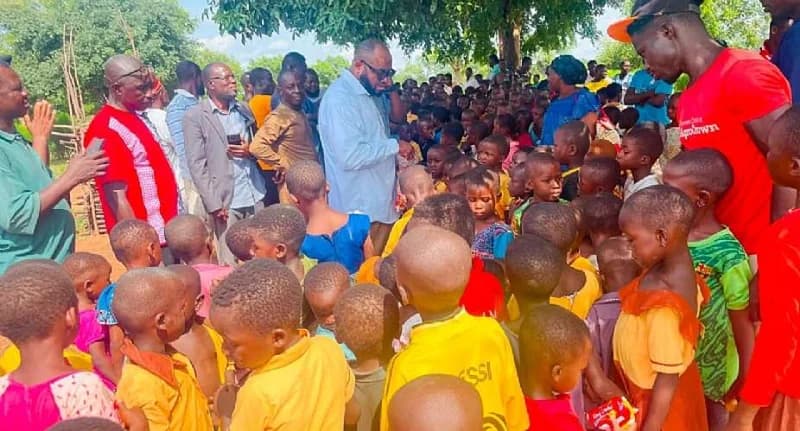
Ghanaian government officials and local representatives have intensified calls for social and cultural reforms to safeguard the educational future of children, addressing challenges ranging from domestic gender imbalances to the lure of illegal mining. During a series of community dialogues and 'My First Day at School' initiatives, leaders emphasized that traditional norms and economic pressures are increasingly hindering student retention and academic performance. Dr. Agnes Naa Momo Lartey, the Minister of Gender, Children and Social Protection, led these efforts by advocating for a fundamental shift in how domestic responsibilities are assigned within the home.
Speaking at a Community Dialogue Series in Chorkor and Mamprobi, Dr. Lartey urged parents and community members to adopt equitable gender roles in child-rearing. She noted that traditional norms often impose excessive domestic burdens on girls, which directly undermines their educational opportunities and personal growth. By reassessing long-standing practices that assign household tasks based on sex, the Minister argued that families could help reduce school dropout rates and teenage pregnancies. Dr. Lartey stressed that a fair division of labor at home benefits both boys and girls, allowing for a more balanced development and a stronger focus on academic achievement.
While girls face domestic barriers, boys in some regions are being drawn away from the classroom by the prospect of quick wealth. In the Bongo District, Chief Executive Diana Asoketarige Ayamga raised an alarm over a decline in school participation among boys, attributing the trend to their involvement in illegal mining, popularly known as galamsey. During her visit to local schools to mark the start of the academic year, Ayamga emphasized the urgent need for community support to reverse this trend. Beyond enrollment, she also voiced concerns regarding the nutritional standards of food sold to students, advocating for healthier options to support the physical and cognitive development of the pupils.
In the Sissala West District, Member of Parliament Hon. Mohammed Adams Sukparu joined local educators to welcome new pupils and encourage perseverance. Sharing his personal journey from humble beginnings, Sukparu urged students to remain focused on their studies despite their circumstances. He specifically cautioned girls against distractions such as excessive mobile phone use, which can derail academic progress. While the MP provided refreshments and motivation to the students at Pulima and Silbelle Basic Schools, local education officials noted that attendance issues remain a persistent challenge that requires ongoing community intervention.
These collective efforts highlight a multifaceted approach to improving Ghana's educational landscape through the government's social protection programs and local leadership engagement. By addressing the root causes of absenteeism—whether they be gender-based domestic expectations, the economic lure of galamsey, or digital distractions—officials aim to create an environment where all children have an equal opportunity to succeed. The success of these initiatives now rests on the willingness of parents and local communities to embrace these calls for change and prioritize long-term education over immediate domestic or financial gains.


