••
Kyebi Reparations Forum: Experts Demand Healing and Cultural Restoration as Foundations for Justice
•2 min read•4 sources
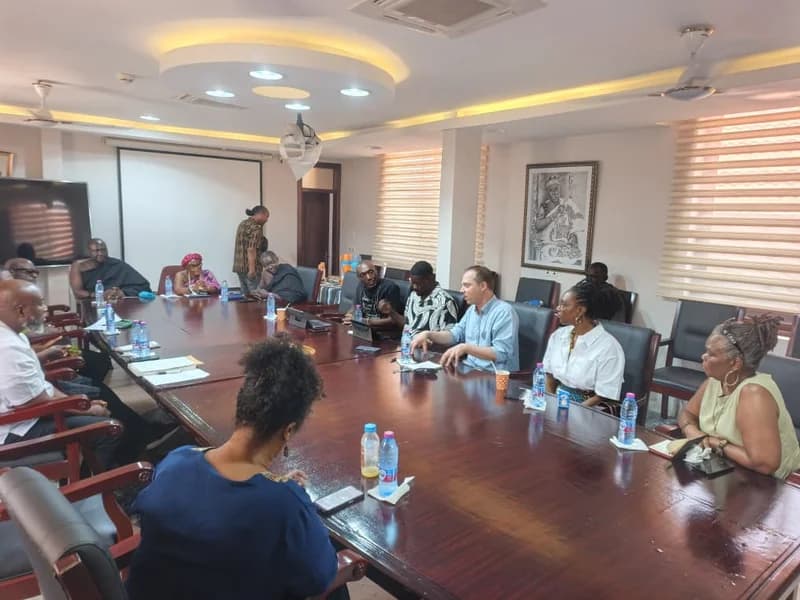
At a major forum on reparations and reparatory justice held in Kyebi, leaders and scholars emphasized that Africa must address the deep-seated spiritual, psychological, and cultural scars of the transatlantic slave trade before financial compensation can be truly effective. Organized by Daasebre Dr Twum Ampofo II in collaboration with the National Institute for the Study of Dutch Slavery and its Legacy (NiNsee), the event highlighted how the legacy of slavery continues to disrupt African social cohesion and cultural identity centuries after its formal abolition. Participants at the forum challenged long-standing historical narratives, specifically rejecting the claim that Africans willingly sold their own people into slavery. Instead, the dialogue underscored the violence and coercion used to dismantle societies, linking historical divisions directly to contemporary community disputes. The forum stressed that the loss of millions of lives and the subsequent developmental stagnation require a multifaceted response that prioritizes cultural restoration and the reinvigoration of indigenous practices alongside modern justice frameworks. To address these historical injustices, the forum advocated for a strategy aligned with the CARICOM 10-Point Reparations Plan. Key priorities identified include comprehensive education programs, mental health support to address intergenerational trauma, and economic empowerment initiatives designed to bridge the developmental gap caused by centuries of exploitation. Speakers noted that reparations must be viewed as a tool for reparatory justice, aimed at rebuilding the societal structures that were systematically destroyed during the slave trade. The gathering concluded with a call for stronger engagement between the African continent and its diaspora to create a unified front in the global demand for justice. By focusing on healing and the restoration of cultural identity, the forum participants believe Africa can establish a robust framework for reparations that transcends mere monetary payments. This approach seeks not only to acknowledge the injustices of the past but to ensure a more equitable and psychologically liberated future for all Africans.
This story touches markets covered on Anansi Intelligence ↗.
More from africa
Continue exploring similar stories


