••
Ghana’s Political Landscape: Local Governance Breakthroughs, Internal Party Tensions, and the Drive for Inclusive Representation
•3 min read•14 sources
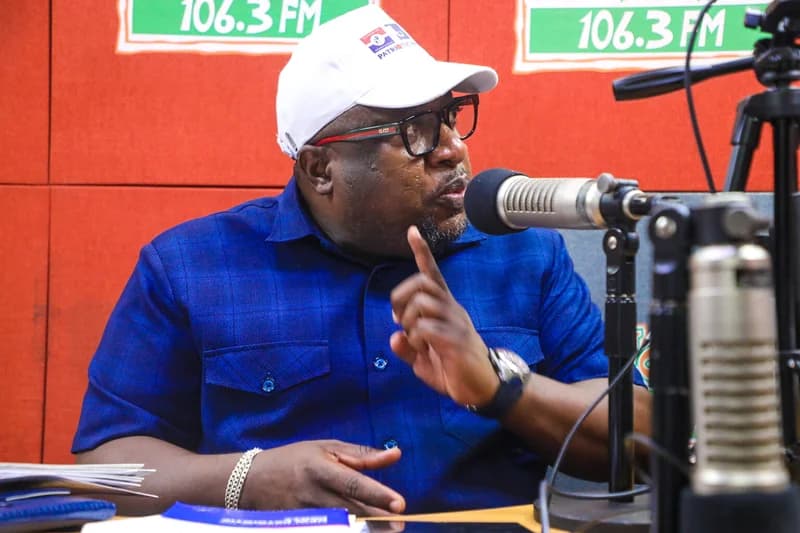
Ghana’s political arena has seen a flurry of activity, ranging from the resolution of local governance stalemates to high-stakes allegations of internal party sabotage. In Kumasi, the Metropolitan Assembly (KMA) successfully elected Patrick Kwame Frimpong as its new Presiding Member, ending a period of administrative uncertainty. After previous rounds of voting failed to produce a winner, Frimpong’s rival, Baffour Ofori, withdrew from the race to foster unity. Frimpong ultimately secured 58 out of 66 votes, a move that allows the assembly to resume its essential developmental and administrative functions without further delay. Simultaneously, the New Patriotic Party (NPP) is intensifying its efforts for the upcoming March 3 by-election in Ayawaso East, where National Organiser Henry Nana Boakye is rallying support for candidate Baba Ali Yussif, citing his deep grassroots connections.
While the party prepares for external contests, internal tensions have surfaced following the 2024 elections. Alhaji Ishaq Kyei Brobbey, an aspirant for the NPP Ashanti Regional Communications Director role, has alleged that certain high-ranking party members secretly funded John Dramani Mahama’s campaign against Mahamudu Bawumia. These claims of internal sabotage highlight a fractious period for the NPP as it navigates the aftermath of defeat. Conversely, Minority Leader Alexander Afenyo-Markin recently showcased the positive side of party collaboration, publicly crediting Dr. Matthew Opoku Prempeh for his 2012 parliamentary victory. Afenyo-Markin revealed that 'NAPO' personally designed the campaign manual that secured his first win in Effutu, emphasizing that mentorship remains a cornerstone of political success in Ghana.
Broader discussions on governance and national development are also gaining momentum. Stakeholders, including the UNDP and the Danish Embassy, are advocating for significant reforms to increase women’s participation in governance ahead of the 2027 local elections. Despite minor gains in Parliament, women’s representation in district assemblies remains a low 4.1%, far below the 30% target set for 2026. Proponents are calling for legislative quotas and better protections against political violence to create a safer environment for female candidates. This push for inclusivity is mirrored in the National Development Planning Commission’s (NDPC) recent stakeholder meeting, which focused on the 2026 Human Capital Development Strategy, aiming to align Ghana’s workforce with industrial transformation and precision quality standards.
Reflecting on the historical roots of these political dynamics, veteran journalist Kwesi Pratt Jr. recently highlighted the enduring influence of Dr. Kwame Nkrumah, noting how even the ex-wife of rival J.B. Danquah, Mabel Dove, eventually joined Nkrumah’s CPP. This historical perspective serves as a reminder of the fluid nature of political loyalty in Ghana, a theme that remains relevant as today’s leaders navigate shifting alliances and internal power struggles. As the nation looks toward the 2026 and 2027 electoral cycles, the focus remains on whether these institutions can balance partisan interests with the broader goals of national development and inclusive governance.
This story touches markets covered on Anansi Intelligence ↗.
Related topic
NPP (New Patriotic Party): Latest News →More from politics
Continue exploring similar stories


