••
Asunafo North and Kumasi Metropolitan Assemblies Revive Sanitation Prosecutions to Address WASH Crisis
•2 min read•5 sources
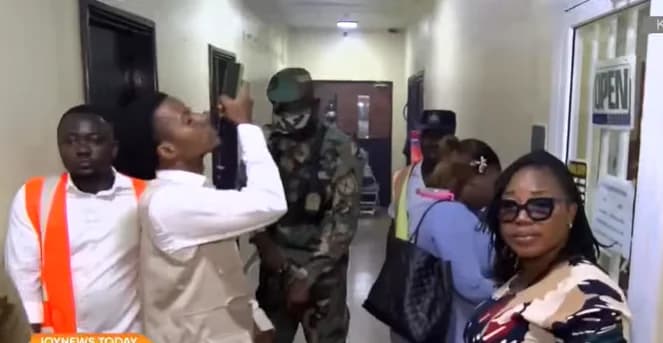
Municipal assemblies across Ghana are pivoting from public education to strict legal enforcement as they battle a deepening sanitation and hygiene crisis. In the Asunafo North Municipal Assembly of the Ahafo Region and the Kumasi Metropolitan Assembly (KMA) in the Ashanti Region, officials have announced a wave of prosecutions and arrests aimed at deterring environmental lawlessness. This shift comes as local authorities acknowledge that years of awareness campaigns have failed to curb rampant littering, illegal waste dumping, and the resulting public health risks that threaten urban and rural communities alike.
In Goaso, the Asunafo North Municipal Environmental Health Officer, Rejoice Ntiamoah, confirmed that documentation is complete to begin prosecuting several offenders, including local shop owners and residents who have ignored monthly cleanup mandates. The municipality is currently grappling with a severe Water, Sanitation, and Hygiene (WASH) crisis, characterized by acute drinking water shortages and widespread open defecation. During recent town hall meetings, community members expressed frustration over the deteriorating conditions and specifically called for the provision of disability-friendly public sanitation facilities to ensure inclusive access for all residents, highlighting a gap between enforcement and available infrastructure.
Simultaneously, the Kumasi Metropolitan Assembly has relaunched its "Samansaman" sanitation enforcement exercise, deploying a joint task force comprising environmental health services, the Ghana Armed Forces, and the Ghana Police Service. The initiative has already resulted in high-profile arrests, including officials from the Church of Jesus Christ of Latter-day Saints for maintaining unsanitary premises. KMA Public Relations Officer Henrietta Afia Aboagye emphasized that the task force is particularly focused on identifying those responsible for the illegal dumping of construction waste, which has significantly blocked drainage systems and exacerbated the city’s flooding problems during the rainy season.
These enforcement measures are supported by national legislation that empowers Metropolitan, Municipal, and District Assemblies (MMDAs) to uphold public health standards through the court system. While the crackdown signals a "zero-tolerance" approach to environmental violations, it has also brought systemic issues to the forefront. In Asunafo North, residents have pointed to communication breakdowns with water service providers and stalled projects, such as the Goaso Water System, as contributing factors to the local crisis. As these legal actions proceed, the focus remains on whether increased prosecution will lead to sustainable behavioral change or if further investment in basic sanitation infrastructure will be required to resolve the underlying challenges.
This story touches markets covered on Anansi Intelligence ↗.
More from africa
Continue exploring similar stories


