••
Kpandai District Assembly Distributes 200 Bags of Maize to Boarding Schools to Prevent Food Shortages
•2 min read•4 sources
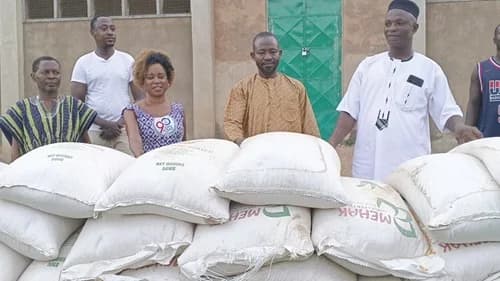
The Kpandai District Assembly in the Northern Region has initiated a vital food distribution program, delivering over 200 bags of yellow maize to four key boarding educational institutions. Led by the District Chief Executive (DCE), Haruna Abdul-Karim, this proactive measure is designed to ensure that students remain adequately fed during the upcoming lean season, a period typically characterized by food scarcity and significant price hikes. By providing these essential supplies now, the assembly aims to safeguard the nutritional needs of students and alleviate the financial pressures often faced by school administrations during the most challenging months of the year.
The distribution targeted four major institutions within the district: Kpandai Senior High School, Nkanchina Community Health Nursing Training College, Kpandai Girls Model Junior High School, and the Kpandai Let Us Shine Girls School. Each institution received 50 bags of maize, a contribution that school officials say will play a critical role in maintaining uninterrupted feeding programs. The intervention is particularly timely as the region approaches June and July, months where local food stocks are traditionally low and access to affordable staples becomes increasingly difficult for public institutions.
School administrators have expressed profound gratitude for the intervention, noting that the assembly’s support arrives at a crucial moment. The headmaster of Kpandai Senior High School highlighted that these supplies serve as a necessary buffer, especially during instances of delays in the centralized national government food supply chain. This local assistance ensures that the academic calendar is not disrupted by feeding challenges, allowing students to focus on their studies without the anxiety of potential food shortages or nutritional deficits.
Beyond immediate relief, the Kpandai District Assembly is also looking toward long-term sustainability to address food security within the education sector. DCE Haruna Abdul-Karim emphasized that the assembly is prepared to support schools in establishing their own farms. This initiative aims to empower educational institutions to produce a portion of their own food, creating a more resilient system that reduces dependence on external supplies. The promotion of school farming is seen not only as a practical solution to food scarcity but also as an important educational opportunity for students to engage with agricultural practices.
This story touches markets covered on Anansi Intelligence ↗.
More from education
Continue exploring similar stories


