••
Hundreds Stranded at Kotoka International Airport as Middle East Conflict Disrupts Accra-Dubai Flights
•2 min read•3 sources
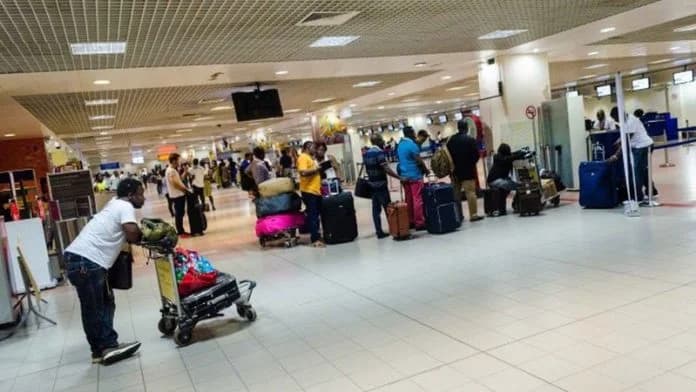
Hundreds of travelers were left stranded at Kotoka International Airport (KIA) on Saturday night, February 28, 2026, following the sudden suspension of flights to Dubai. The disruption, which primarily affected Emirates flight EK 788 departing from Terminal 3, was triggered by a rapid escalation of military conflict in the Middle East. As air corridors across the Gulf became active combat zones, the cancellation of this vital route severed a critical link for Ghanaian travelers heading to the United Arab Emirates and connecting destinations across Asia and beyond.
The suspension follows a massive joint military operation launched by the United States and Israel against targets in Iran, including coordinated strikes on Tehran. In response to the offensive, several Gulf nations, including the UAE, Qatar, and Kuwait, implemented a complete lockdown of their airspace to ensure civil aviation safety. This regional security crisis was further intensified by reports of Iranian missile strikes on U.S. military bases and a significant policy announcement from U.S. President Donald Trump regarding the potential elimination of Iranian Supreme Leader Ayatollah Ali Khamenei.
At Kotoka International Airport, the scene was one of confusion and anxiety as passengers were forced to abandon their travel plans. Aviation experts noted that air corridors in the Middle East remain largely empty as international airlines adapt to the rapidly evolving combat environment. In Dubai, civil defense teams have reportedly been responding to incidents related to the conflict, further complicating the prospects for a swift resumption of normal flight operations and adding to the safety concerns of international carriers.
Emirates has officially advised all affected passengers to monitor their flight status closely via the airline’s website and to contact travel agents or customer service representatives for rebooking options or refunds. While the situation remains highly volatile, travelers are urged to exercise patience as airlines and international aviation authorities navigate the complex security challenges posed by the ongoing hostilities. This disruption highlights the immediate vulnerability of global transit hubs to geopolitical instability and the resulting impact on international mobility.


