••
Ghanaian Communities and Local Assemblies Drive Economic Empowerment and Infrastructure Advocacy
•3 min read•3 sources
Across Ghana and the broader international landscape, a concerted effort to address socio-economic barriers is taking shape through local government intervention and community resilience. In Kumasi, the Kumasi Metropolitan Assembly (KMA) has taken a significant step toward fostering economic independence by providing business grants and support items to 57 Persons with Disabilities (PWDs). These beneficiaries received amounts ranging from GH""5,000 to GH""7,000 as part of the District Assembly Common Fund Disability Programme. Metropolitan Chief Executive Richard Ofori Agyemang Boadi emphasized the government's commitment to increasing these allocations to ensure PWDs can contribute meaningfully to the nation's development. However, the Ghana Federation of Disability Organisations has noted that financial support alone is insufficient, calling for urgent improvements to public infrastructure and transport to ensure facilities like schools and hospitals are truly accessible.
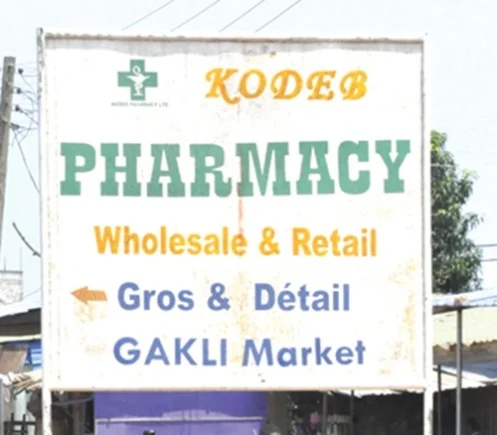
Simultaneously, the Ketu South Municipality is managing the unique cultural and logistical dynamics of Gakli, a predominantly Francophone suburb within the Volta Region. Home to approximately 2,000 residents with ancestral roots in Mali and Niger, Gakli serves as a hub for cross-border trade with Togo. Despite their French-speaking identity, residents maintain strong allegiance to Ghana. However, this cross-border orientation presents governance challenges, particularly as residents often prefer health and social services in Togo over local Ghanaian options. The municipal assembly remains active in the area, focusing on enforcing sanitation laws and maintaining the suburb's reputation for low crime and social cohesion.
These local efforts toward stability and growth stand in contrast to the dire employment challenges faced by graduates in conflict zones, such as the Gaza Strip. The story of Rawan al-Jabali, an English language and literature graduate, highlights the severe impact of conflict and displacement on career prospects. Two years after completing her degree, she remains unemployed, hindered by the lack of infrastructure and weak internet connectivity in displacement camps. Her struggle underscores a global theme: that education and talent often require the foundation of peace and reliable public infrastructure to translate into economic success.
To ensure the sustainability of local initiatives in Ghana, the KMA has established an audit team to monitor the use of the newly distributed disability grants. This move toward accountability is intended to prevent misuse and ensure that the funds lead to long-term economic stability for the beneficiaries. These developments collectively highlight the importance of localized governance in addressing specific community needs, whether through direct financial support, cultural integration, or the ongoing struggle for accessible public spaces. Moving forward, the success of these programs will likely depend on the government's ability to match financial aid with the systemic structural changes requested by advocacy groups.
This story touches markets covered on Anansi Intelligence ↗.
More from africa
Continue exploring similar stories


