••
Global Political Shifts: Japan Elects New Leadership as UK and Nigeria Forge Historic Ties
•3 min read•8 sources
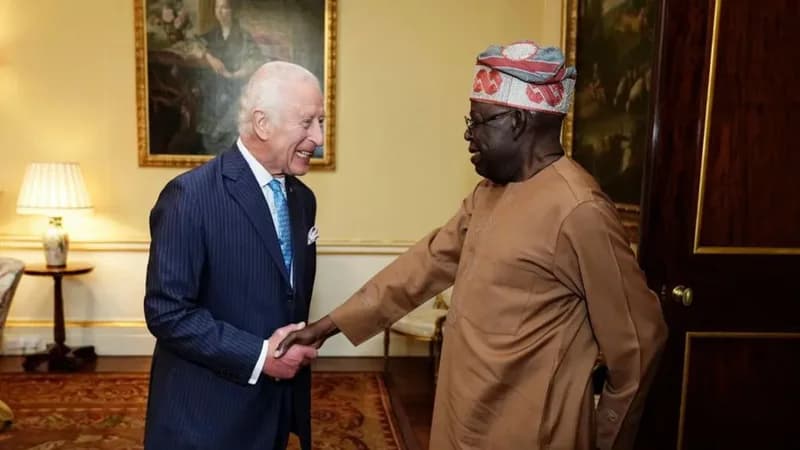
Japan is currently at a political crossroads as millions cast ballots in a high-stakes snap election called by Prime Minister Sanae Takaichi. Seeking a definitive public mandate for her Liberal Democratic Party (LDP) and its partner, the Japanese Innovation Party, Takaichi is betting on her personal popularity and a platform of aggressive tax cuts and subsidies. Despite a slight dip in early voter turnout—attributed largely to inclement weather—projections suggest her coalition could secure a commanding 300 seats in the 465-member Lower House. This potential victory would represent a significant reversal for the LDP, which had previously struggled to maintain control amid internal scandals and a unified opposition. Takaichi’s leadership style, often compared to that of Margaret Thatcher, has resonated particularly well with younger demographics. Her influence extends beyond policy, as she has cultivated a significant social media presence and even emerged as a fashion icon. However, her tenure is not without friction; critics argue that her populist economic measures could strain Japan’s fiscal health. Furthermore, her hawkish foreign policy toward China and an endorsement from former U.S. President Donald Trump have sparked debate over Japan’s future international standing. As the nation awaits the final tally, the LDP still faces the challenge of distancing itself from past fundraising controversies to fully regain public trust. Simultaneously, the United Kingdom is preparing for a landmark diplomatic event as King Charles III and Queen Camilla host Nigerian President Bola Tinubu for a historic state visit. Scheduled for mid-March 2024, this marks the first official state visit from Nigeria to the UK in 37 years, the last being in 1989. This visit is viewed as a crucial exercise in soft-power diplomacy, aimed at bolstering a relationship that saw bilateral trade exceed £8 billion last year. For President Tinubu, who took office following a disputed election in 2023, the invitation to Buckingham Palace serves as a significant validation of his administration on the world stage. Across the English Channel, the European Union is intensifying its regulatory oversight of the digital landscape, signaling a shift in how governments interact with global tech giants. The EU has formally mandated that TikTok overhaul its addictive design features, such as autoplay and specific algorithms, or face crippling fines of up to 6% of its global turnover. This move under the Digital Services Act highlights a growing political consensus on the need to protect younger users from psychological harm. Together, these developments—from the ballot boxes of Japan to the halls of Buckingham Palace and the regulatory chambers of Brussels—underscore a period of profound transition and assertive governance in global politics.
This story touches markets covered on Anansi Intelligence ↗.
More from politics
Continue exploring similar stories


