••
Global Football Trends: Italy Rejects Unearned World Cup Spot as Chelsea Sacks Fifth Manager Under New Ownership
•2 min read•3 sources
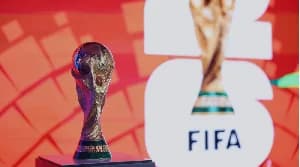
Italy's sports officials have firmly dismissed international speculation regarding the national team potentially replacing Iran in the upcoming FIFA World Cup. The proposal, sparked by comments from US envoy Paolo Zampolli, suggested that the four-time champions—who failed to qualify on the pitch—could be integrated into the finals hosted across the US, Canada, and Mexico. However, Italian Sports Minister Andrea Abodi has rebuffed the idea, emphasizing the importance of sporting merit and stating that teams must earn their participation through competition rather than political maneuvering.
The suggestion drew sharp criticism from the Iranian embassy, which described the move as a reflection of US diplomatic overreach. Despite the external pressures and suggestions of a "dream" scenario for the Italian team, FIFA President Gianni Infantino has remained steadfast, confirming that Iran will participate in the tournament as originally drawn. Italy’s path to the tournament was officially closed following a disappointing qualification campaign that ended in a penalty shootout loss to Bosnia and Herzegovina, and officials are keen to respect the integrity of the global competition.
While international football grapples with qualifying controversies, the club scene in the English Premier League continues to experience unprecedented volatility. Chelsea FC, under the ownership of Todd Boehly and Clearlake Capital, has reached a staggering milestone of dismissing five managers since May 2022. The most recent casualty, Liam Rosenior, lasted only 107 days before being sacked in April 2026. This high turnover rate highlights a period of intense instability at Stamford Bridge, where heavy financial investment exceeding £550 million has yet to yield a long-term managerial solution.
The managerial carousel at Chelsea has seen high-profile figures like Thomas Tuchel, Graham Potter, Mauricio Pochettino, and Enzo Maresca all depart despite varying levels of success. Maresca, for instance, left with a 59% win rate and two trophies, underscoring the demanding and often fractured relationship between the club's board and its coaching staff. As the football world looks toward future World Cup cycles and the next domestic seasons, these developments reflect a sport increasingly defined by political debate at the international level and a 'win-now' culture at the elite club level.
This story touches markets covered on Anansi Intelligence ↗.
More from sports
Continue exploring similar stories


