••
Israeli Air Strikes Kill at Least 32 in Gaza Following Alleged Ceasefire Violations
•2 min read•8 sources
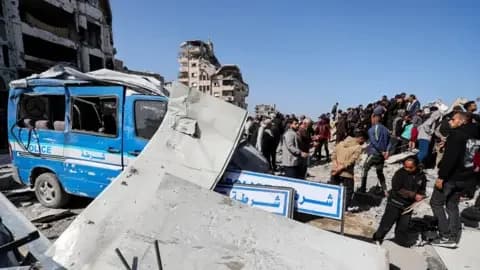
A series of heavy Israeli air strikes across the Gaza Strip on Saturday resulted in the deaths of at least 32 Palestinians, including women and children. These attacks are reportedly the most intense since a recent ceasefire agreement took effect earlier this month. The Israeli military maintains that the strikes were a direct response to violations of the truce by Hamas, while the Palestinian civil defense agency has characterized the bombardment as a severe escalation targeting residential areas and shelters for the displaced. The situation marks a significant setback for the fragile peace process that had briefly lowered the intensity of the conflict.
Specific reports from rescue officials highlight the devastating impact of the strikes in Khan Younis and Gaza City. In Khan Younis, a strike targeted a tent sheltering displaced families, resulting in the death of a family of seven. In Gaza City, further casualties included at least five individuals—three children and two women—as residential buildings were hit. The Hamas-run civil defense agency has emphasized that many of those killed were civilians seeking refuge from the ongoing hostilities, further straining the already dire humanitarian situation in the enclave where infrastructure is already severely compromised.
The Israeli Defense Forces (IDF) stated that the operations targeted Hamas commanders and weapon storage sites used to facilitate attacks against Israel. According to Israeli officials, Hamas's failure to adhere to the terms of the brokered truce necessitated a military response to neutralize ongoing threats. Conversely, Hamas has condemned the air strikes as "genocidal" and "brutal," calling for immediate international intervention, specifically from the United States, to halt the aggression. Both parties have traded accusations over who first breached the ceasefire agreement, creating a deadlock in diplomatic efforts.
This latest surge in violence occurs as international mediators, including Egypt and Qatar, renew calls for restraint to prevent a total collapse of the peace process. The escalation comes at a critical moment when the Rafah crossing into Egypt was scheduled to reopen for humanitarian aid and the movement of people following the recovery of the last Israeli hostage. Since the conflict's massive escalation on October 7, 2023, the Hamas-run health ministry reports that over 71,660 Palestinians have been killed, underscoring the high human cost of the protracted warfare that continues to reshape the region's political and humanitarian landscape.
This story touches markets covered on Anansi Intelligence ↗.
More from politics
Continue exploring similar stories


