••
Escalating Middle East Conflict: Israeli Ground Advancement, Iranian Missile Strikes, and Growing Diplomatic Pressure
•3 min read•22 sources
The Middle East has entered a period of intense volatility as Israeli ground forces push deeper into Lebanese territory while Iran launches retaliatory missile strikes across the region. According to reports from the Lebanese Defence Minister, Israeli troops have advanced eight kilometers inland, targeting Hezbollah infrastructure in towns like Al-Bayyadah and al-Khiam. While Prime Minister Benjamin Netanyahu has announced plans for an expanded buffer zone to secure Israel’s northern border, the human cost continues to mount. The Lebanese Health Ministry reports that since early March, the conflict has resulted in at least 1,142 fatalities and over 3,300 injuries. Amidst the heavy fighting, Iran has accused Israel of a deadly strike on a diplomatic residence in Lebanon, allegedly killing six Iranian diplomats, a claim that remains under investigation.
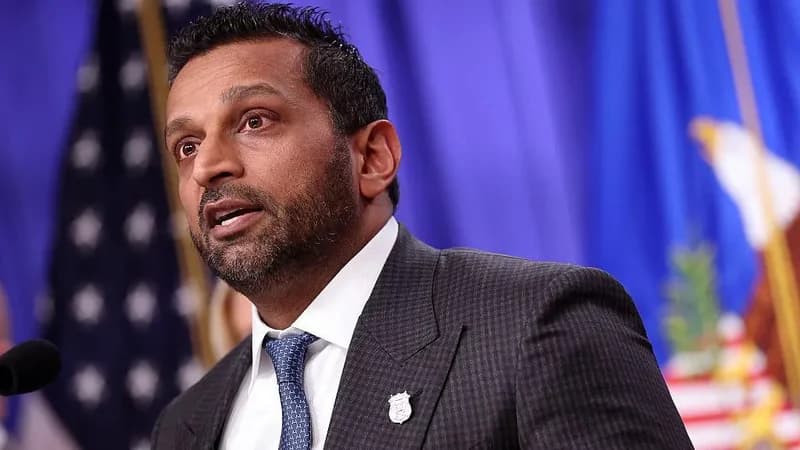
The conflict has rapidly expanded beyond the Levant, with Iran firing a series of missiles targeting Israel and Gulf nations. A significant strike on the Prince Sultan Air Base in Saudi Arabia resulted in injuries to at least 10 U.S. service members, adding to the more than 300 Americans wounded since hostilities escalated. In addition to conventional warfare, the conflict has moved into the digital and psychological spheres. An Iran-linked hacking group, the Handala Hack Team, successfully breached the personal email of FBI Director Kash Patel, leaking personal data in what they termed retaliation for U.S. operations. On the pitch, the Iranian national football team recently paid tribute to the victims of a school strike in Minab, where a targeting error involving a Tomahawk missile reportedly killed 170 students and teachers, highlighting the tragic civilian toll of the war.
On the diplomatic front, the G7 foreign ministers convened near Paris to issue a rare joint statement demanding an immediate end to attacks on civilian infrastructure. The ministers, including U.S. Secretary of State Marco Rubio, emphasized the critical need to restore safe navigation in the Strait of Hormuz, a vital artery for global oil and gas trade that has been severely disrupted by the hostilities. However, the diplomatic landscape remains fractured. South African President Cyril Ramaphosa notably declined an invitation to the G7 summit, citing diplomatic pressure from the U.S. and a growing strain in relations with the Trump administration. This international discord mirrors internal divisions within the United States, where the recent Conservative Political Action Conference (CPAC) revealed a sharp generational divide; while older conservatives largely support the military campaign, younger voters expressed deep skepticism over the war’s objectives and its impact on domestic living costs.
As the conflict nears a potential inflection point, the international community remains focused on preventing a total regional collapse. While some nations like Turkey and Russia have called for urgent de-escalation and the establishment of humanitarian corridors, military operations show no sign of abating. The ongoing instability in the Persian Gulf continues to stress global energy markets and the stock exchange, placing immense pressure on world leaders to find a viable 'exit ramp.' With midterm elections approaching in the U.S. and Israeli forces entrenching their positions in southern Lebanon, the next few weeks will be critical in determining whether the region moves toward a fragile ceasefire or a wider, more devastating confrontation.
This story touches markets covered on Anansi Intelligence ↗.
More from politics
Continue exploring similar stories


