••
Geopolitical Tensions and Conflict in Iran Disrupt Global Sports Calendar and Sponsorships
•2 min read•4 sources
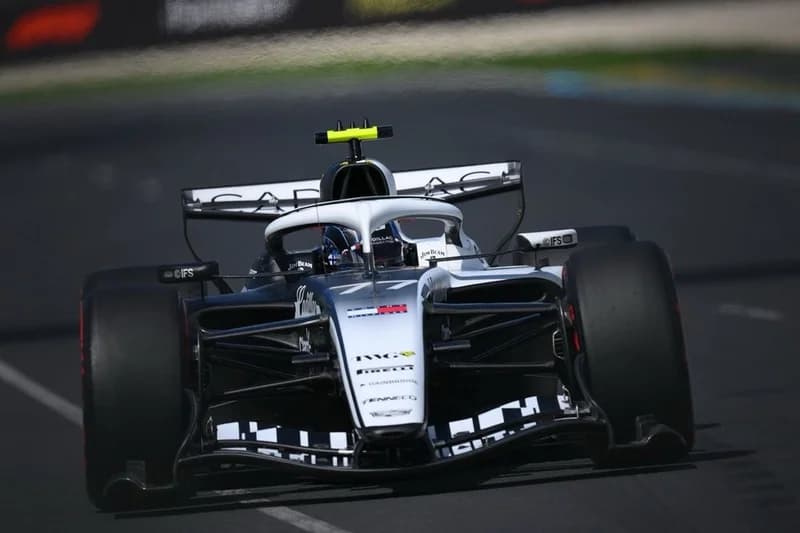
The international sports landscape is facing a period of significant upheaval as escalating geopolitical tensions and the ongoing war in Iran force the cancellation of major events and disrupt high-profile commercial partnerships. Formula 1 has announced the cancellation of the Bahrain and Saudi Arabia Grands Prix scheduled for April, citing safety concerns tied to the conflict. F1 CEO Stefano Domenicali and FIA President Mohammed Ben Sulayem emphasized that the well-being of the racing community is the top priority, resulting in a five-week gap in the season between the Japanese Grand Prix on March 29 and the Miami Grand Prix on May 3. This move potentially reduces the 2024 season from 24 to 22 races, though organizers remain hopeful that later events in Qatar and Abu Dhabi will proceed as planned.
In the world of football, the highly anticipated Finalissima match between European champions Spain and world champions Argentina has been officially called off. Originally slated for March 27, 2026, in Doha, the fixture was scrapped due to rising political instability. Despite efforts by UEFA to salvage the event by proposing a relocation to the Santiago Bernabéu Stadium in Madrid or a home-and-away series between Madrid and Buenos Aires, the Argentine federation declined the alternatives. This decision has left fans disappointed and highlights the increasing difficulty of hosting international showpieces in regions affected by diplomatic and military volatility.
Beyond event cancellations, the conflict is also impacting individual athletes and their commercial ventures. Former Japanese international star Keisuke Honda revealed that a nearly finalized advertising deal with an American company collapsed after he publicly defended Iran’s right to participate in the FIFA World Cup. Honda took to social media to criticize the firm's decision, arguing that businesses should not abandon partnerships based on political opinions or sensitive global issues. He expressed a firm stance against working with companies that make decisions based on what he described as flawed reasoning, underscoring the professional risks athletes face when weighing in on international affairs.
These developments reflect a broader trend where the traditional separation of sports and politics is becoming increasingly untenable. As the war in Iran continues to influence safety protocols and corporate optics, the global sporting community must navigate a landscape where logistical certainty is no longer guaranteed. For now, stakeholders are monitoring the situation closely, with the hope that regional stability can be restored before more of the international calendar is compromised.
This story touches markets covered on Anansi Intelligence ↗.
More from sports
Continue exploring similar stories


