••
IMF and Energy Minister John Jinapor Target Fiscal Stability and Renewable Growth Amid $1.4 Billion Energy Sector Shortfall
•3 min read•11 sources
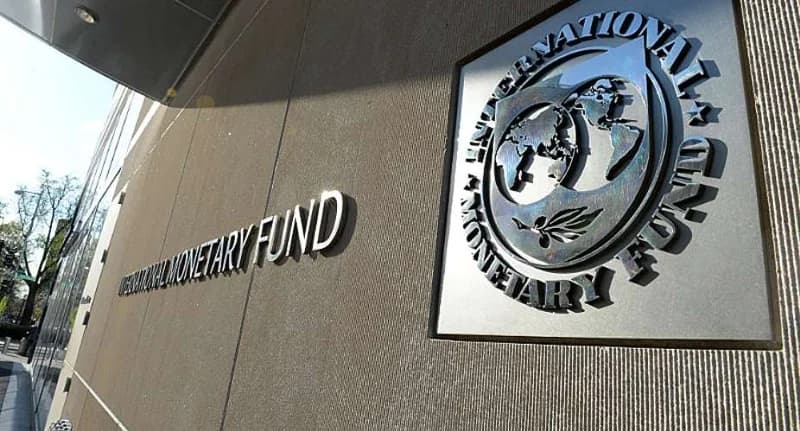
The International Monetary Fund (IMF) has strongly recommended that the Government of Ghana maintain its framework of quarterly electricity tariff adjustments to mitigate persistent fiscal risks within the energy sector. According to the IMF’s 2026 Article IV Consultation, while the sector's financial shortfall decreased from US$1.6 billion in 2024 to US$1.4 billion in 2025, it continues to represent a significant burden on public finances, equivalent to approximately 1.2% of GDP. Although improvements have been noted due to better revenue collection by the Electricity Company of Ghana (ECG) and a 40% tariff hike implemented since March 2025, the IMF warns that the shortfall could still reach US$1.1 billion in 2026 without sustained reform and increased private-sector participation.
Despite these fiscal pressures, the Institute of Economic Research and Public Policy (IERPP) has raised concerns regarding the lack of transparency in how tariff revenues are managed. The IERPP highlighted that major structural issues remain unresolved, including US$1.7 billion in outstanding debts to independent power producers and fuel suppliers, as well as distribution losses reaching 27%. The research body noted that government institutions themselves are responsible for 16% of these arrears, suggesting that relying solely on tariff increases without addressing operational inefficiencies and state-level accountability may not provide a long-term solution for the sector's health.
In a strategic shift toward sustainability, Energy Minister Dr. John Jinapor has directed the Bui Power Authority (BPA) to prioritize battery-backed renewable energy solutions. Speaking at the BPA’s annual stakeholders’ meeting, Dr. Jinapor emphasized that large-scale battery storage is essential to manage Ghana’s peak evening electricity demand by capturing excess solar energy generated during the day. The BPA, which reported a net profit of $66.2 million for 2025, is currently expanding its solar capacity from 105 megawatts to a target of 300 megawatts by 2028. This move is seen as a critical component of the country’s green transition and a way to reduce reliance on costly thermal generation contracts.
As the government navigates these financial and strategic challenges, operational maintenance remains a priority for ensuring service reliability. The ECG recently conducted a series of planned maintenance works across the Central, Eastern, and Western Regions to enhance service delivery. Moving forward, the IMF has urged the administration to finalize private-sector concessions for power distribution by June 2027. These reforms, coupled with the aggressive push for dispatchable renewable energy, are intended to transform the energy sector from a fiscal drain into a sustainable driver of economic growth under the current administration.
This story touches markets covered on Anansi Intelligence ↗.
More from business
Continue exploring similar stories


