••
Education Minister Haruna Iddrisu Unveils New AI Curriculum and 16,000 Teacher Recruitment Drive; GTEC Bans Mandatory University Entrance Exams
•3 min read•7 sources
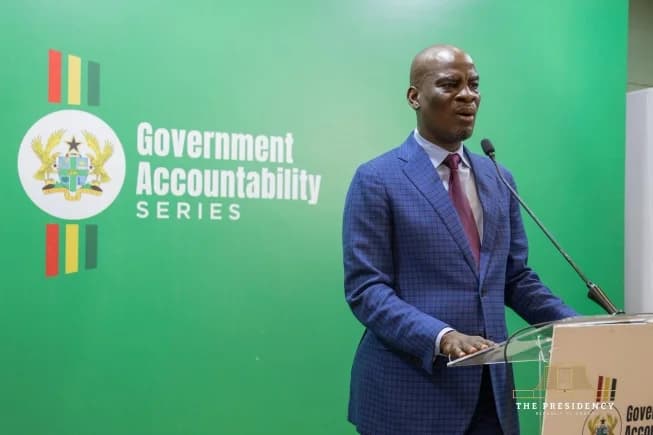
The Ghanaian education sector is set for a significant transformation as Education Minister Haruna Iddrisu announces a comprehensive overhaul of the basic school curriculum and a massive recruitment drive for 16,000 teachers. Simultaneously, the Ghana Tertiary Education Commission (GTEC) has issued a firm directive to all universities to stop using entrance examinations as a mandatory prerequisite for admission, reinforcing the West African Senior School Certificate Examination (WASSCE) as the primary standard for entry. These initiatives represent a coordinated effort by the government under President John Mahama to modernise instruction, address staffing shortages in underserved areas, and ensure equitable access to higher education. In a circular dated July 20, 2026, GTEC Director-General Prof. Ahmed Jinapor Abdulai emphasized that requiring entrance exams as a precondition for admission is inconsistent with the national admissions framework. The Commission observed that some institutions were bypassing the approved minimum entry requirements, prompting the directive to uphold fairness and transparency. While universities may still use entrance exams as an additional assessment tool for highly competitive programs, they are prohibited from making them compulsory for general admission. All heads of tertiary institutions have been instructed to withdraw any admission notices that violate these regulatory guidelines, as mandated by the Education Regulatory Bodies Act, 2020. At the basic education level, the Ministry of Education has introduced a revised curriculum for Kindergarten to Primary Six that integrates cutting-edge subjects such as coding, artificial intelligence (AI), and electronics. Developed by the National Council for Curriculum and Assessment (NaCCA), the new framework also prioritizes citizenship education, ethics, and Ghanaian languages for early learners, while introducing Chinese as an optional language alongside standardized Arabic teaching. Minister Iddrisu has given the Ghana Education Service (GES) a one-week deadline to validate the curriculum and ensure technical readiness for classroom execution. The goal is to foster critical thinking and foundational STEM skills from an early age, though the final implementation still requires approval from the President and Parliament. To support these pedagogical changes and address chronic staffing gaps, the government will commence a two-phase recruitment of 16,000 teachers starting in November 2026. This follows the recent hiring of 7,000 educators and will prioritize districts facing acute shortages, particularly in underserved communities and technical and vocational education (TVET) institutions. Newly recruited teachers are expected to begin their duties in early 2027. Minister Iddrisu noted that these investments in teacher welfare and workforce expansion are essential to the broader goal of providing high-quality, accessible education for all Ghanaian children under the current administration.
This story touches markets covered on Anansi Intelligence ↗.
Related topic
Ghana Education Service (GES): Latest News Today →More from education
Continue exploring similar stories


