••
International Confederation of Midwives Congress Marred by Visa Denials for African Experts Amid Regional Struggles
•3 min read•3 sources
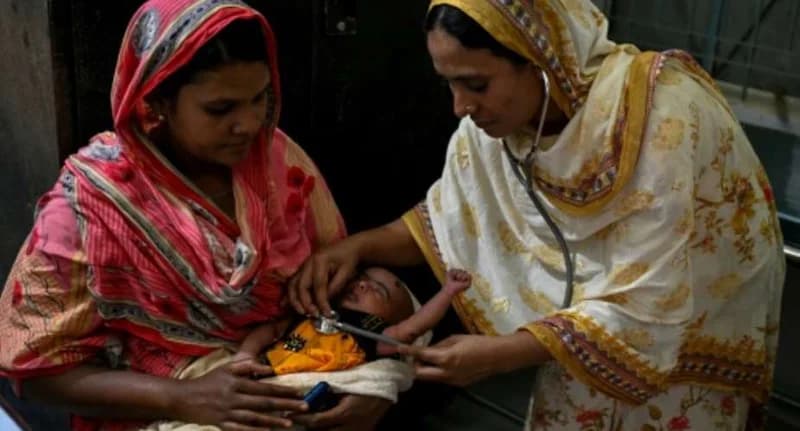
The exclusion of African voices from the International Confederation of Midwives (ICM) Congress in Portugal has sparked outrage, highlighting a persistent global imbalance in healthcare representation. As delegates from Nigeria and Uganda were denied entry, the continent simultaneously grappled with internal tragedies, including a deadly school fire in Kenya and the somber 50th anniversary of the Soweto Uprising. These events collectively underscore a period of profound challenge for African professionals and youth alike, ranging from international marginalization to domestic safety and the weight of unfulfilled historical promises.
At the heart of the international controversy, multiple midwifery experts from Africa and Asia were barred from attending the ICM Congress, an event critical for addressing the 260,000 annual maternal deaths and 4.2 million stillbirths recorded globally. Harriet Akello, a midwifery director from Uganda, voiced the frustrations of many, noting that her application was submitted well in advance only to be rejected at the last minute. The disparity in visa approvals between wealthy and poorer nations has raised serious concerns about the legitimacy of global health discussions if those most affected by maternal mortality are excluded from the table.
Domestic safety remains a parallel concern, as seen in Kenya where families are currently mourning the loss of 16 students following a suspected arson attack at Utumishi Girls Academy. The fire, which broke out overnight and trapped students behind locked dormitory doors, resulted in 132 injuries and has prompted a national investigation into boarding school conditions. This incident is part of a troubling wave of over 47 school fires reported this year, often linked to student frustrations over exam stress and systemic issues. The tragedy has reignited a fierce debate over the safety and structure of the Kenyan education system and the protection of vulnerable students.
These modern crises are being processed against the backdrop of historical reflection in South Africa, which recently marked 50 years since the Soweto Uprising of 1976. While the uprising was a turning point against apartheid that saw at least 176 schoolchildren killed by police, activists like Seth Mazibuko argue that the promises of that sacrifice remain largely unfulfilled for the current generation. Today’s South African youth continue to face staggering rates of unemployment and crime, leading to a sense that the hope of the 1976 struggle is fading. Together, these stories from the healthcare, education, and political sectors illustrate a continent striving for progress while navigating systemic hurdles both at home and abroad.
This story touches markets covered on Anansi Intelligence ↗.
More from africa
Continue exploring similar stories


