••
Captain Ibrahim Traoré Inaugurates Burkina Faso’s First Gold Refinery in Push for Economic Sovereignty
•2 min read•10 sources
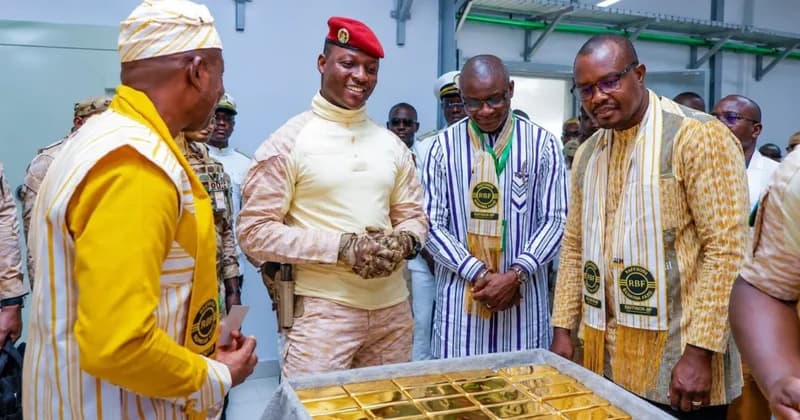
Burkina Faso's military leader, Captain Ibrahim Traoré, has officially inaugurated Raffinor-BF, the nation’s first domestic gold refinery. Located in the capital, the facility represents a pivotal shift toward economic sovereignty for the West African nation, which ranks as the continent’s third-largest gold producer with over 94 tonnes produced last year. The $19 million project, costing approximately 11 billion CFA francs, is designed to ensure that mineral wealth remains within the country by processing raw gold locally rather than exporting it to foreign refineries for processing.
The refinery currently boasts an initial processing capacity of 164 tonnes per year, with ambitious plans to scale up to 515 tonnes. This expansion goal includes the potential to process gold from neighboring countries, positioning Burkina Faso as a regional industrial hub. Under Traoré’s administration, the government has introduced more stringent mining policies, including a requirement for foreign mining corporations to grant a 15% stake to the state and implement local workforce training programs. These reforms are central to a nationalist agenda aimed at reducing the influence of foreign entities and maximizing the benefits of natural resources for the local population.
Beyond economic goals, the push for domestic refining serves a critical security purpose. The government has identified the illicit gold trade and unregulated artisanal mining as significant sources of funding for Islamist extremist groups that have destabilized the region. By formalizing and centralizing the refining process, the administration hopes to curb smuggling and sever the financial lifelines of jihadist insurgencies. However, this economic push coincides with a volatile political environment. While Traoré aligns his rhetoric with the ideals of Thomas Sankara, critics and exiled journalists have expressed concern that the military regime uses the fight against terrorism as a pretext for maintaining power and suppressing dissent.
Burkina Faso’s initiative reflects a growing trend of resource nationalism across West Africa, as nations like Mali and Guinea similarly seek greater control over their mineral assets. The success of Raffinor-BF will serve as a litmus test for whether domestic processing can deliver true economic independence amidst ongoing security crises and international scrutiny of military governance. As the facility begins operations, the global community remains watchful of how the Traoré administration balances its nationalist economic ambitions with the need for political stability and the protection of fundamental human rights.
Live rates
Ghana gold price →

