••
Regional Security and State Accountability: Ibrahim Mahama Probe and Ghana-Nigeria Rescue Operations
•3 min read•12 sources
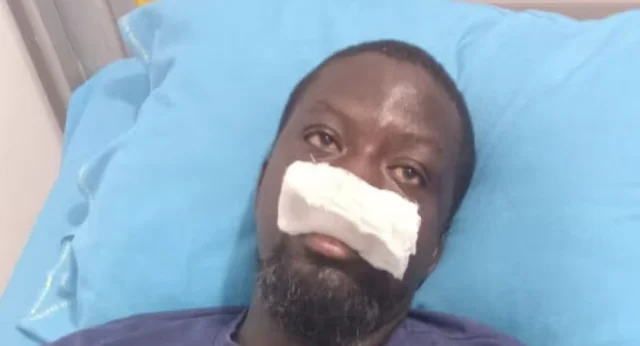
Ghanaian authorities are currently navigating a series of high-profile security and human rights challenges, highlighted by a formal investigation into the alleged assault of celebrated visual artist Ibrahim Mahama and the successful rescue of forty-four citizens from a fraudulent recruitment syndicate in Nigeria. On March 21, 2026, the Ghana Police Service announced an inquiry into an encounter in Tamale where Mahama claims he was brutally assaulted by officers after attempting to record police traffic maneuvers during Eid festivities. While the artist asserts that members of the 'Black Maria' Special Operations Team were involved and caused him physical injuries, including a broken tooth, the Northern Regional Police Command has denied the involvement of that specific unit, stating it was not active in the region at the time. The Inspector-General of Police (IGP) has stepped in to oversee the investigation, aiming to resolve the conflicting accounts between the artist's testimony and the police's claims of 'provocative traffic defiance.'
Parallel to domestic policing concerns, the Ministry of Foreign Affairs successfully coordinated the repatriation of forty-four Ghanaians on March 20, 2026, following a joint operation with Nigerian security forces. These individuals had been lured to Nigeria by a fraudulent recruitment network using social media and informal channels, only to face harsh conditions and exploitation. This operation underscores the growing necessity for regional cooperation in dismantling human trafficking syndicates. The broader security climate in Nigeria remains volatile, as evidenced by recent reports of bandits abducting worshippers from a church in Kwara State and widespread outrage following the assault of women during the 'Alue-Do' festival in Ozoro, Delta State. These incidents have prompted Ghanaian and Nigerian authorities to emphasize the importance of community vigilance and cross-border intelligence sharing.
Within Ghana, the tension between law enforcement and the public has also manifested in the transportation sector. On March 20, 2026, a group of motorcyclists in Kaneshie assaulted Sergeant Emmanuel Agbugbla Teye after he intercepted a rider traveling against traffic. This act of violence has been condemned by the police as a threat to national security, leading to a manhunt for the assailants. To address these systemic issues, the Commercial National Motor Riders Union (CNMRU) has begun partnering with the Motor Traffic and Transport Directorate (MTTD) in municipalities like Kpone Katamanso. This initiative follows the passage of the Road Traffic Amendment Bill 2025, which aimed to legitimize and regulate commercial motorcycle operations to reduce fatalities and build public trust in the sector.
Collectively, these events represent a critical juncture for governance and the rule of law in West Africa. From the protection of high-profile cultural figures like Ibrahim Mahama to the rescue of vulnerable victims of trafficking and the regulation of the commercial transport sector, the state's ability to maintain order while respecting human rights is under intense scrutiny. Moving forward, the outcomes of the IGP’s investigation into the Tamale assault and the continued enforcement of road safety regulations will serve as benchmarks for accountability and the professionalization of law enforcement agencies in Ghana.
This story touches markets covered on Anansi Intelligence ↗.
More from politics
Continue exploring similar stories


