••
Ian Greenstreet Appointed CEO of Ghana International Bank as Ghana Enacts Digital Asset Regulations and Manages Fiscal Challenges
•3 min read•19 sources
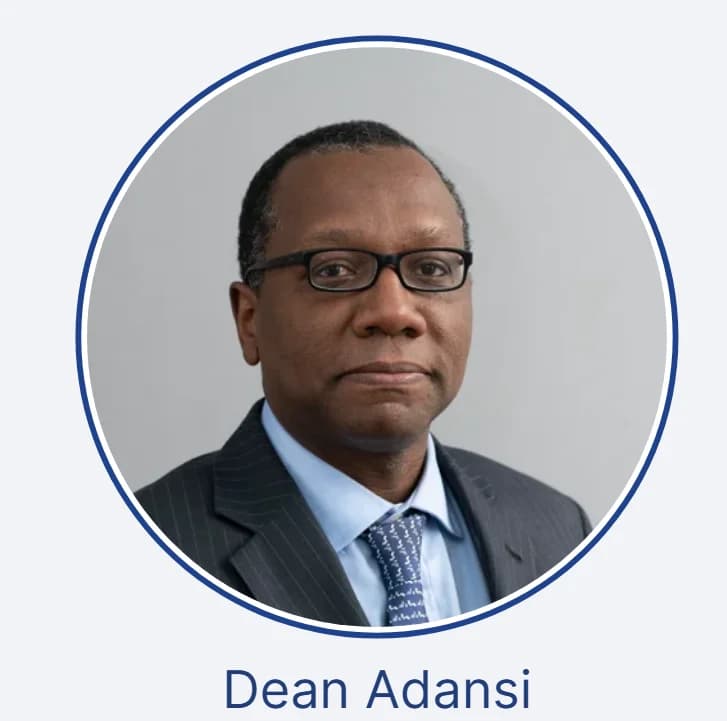
Ghana’s financial landscape is undergoing a significant transformation, marked by a high-profile leadership change at the UK-based Ghana International Bank (GHIB) and the implementation of groundbreaking digital asset regulations. Ian Owulakwao Greenstreet has been appointed as the new Chief Executive Officer of GHIB, pending regulatory approval, following the dismissal of Dean Adansi, who led the bank for seven and a half years. Bank of Ghana (BoG) Governor, Dr. Johnson Asiama, expressed strong confidence in Greenstreet’s 40 years of international banking experience, stating the move is intended to position GHIB as a primary financial bridge between Africa and global capital markets. This transition comes at a critical time as the bank navigates recent regulatory scrutiny and seeks to capitalize on a balance sheet currently rated B+ by Fitch.
Simultaneously, the Bank of Ghana is grappling with a staggering negative equity of approximately GHS 94 billion, a deficit largely attributed to the Domestic Debt Exchange Programme (DDEP) and significant exchange rate losses. In response to this fiscal pressure, financial analysts have proposed that the BoG consider diversifying its reserves by investing in digital assets like Bitcoin, following models recently explored by other global central banks. This debate coincides with the enactment of the Virtual Asset Service Providers Act (Act 1154) and the introduction of BoG’s draft guidelines for digital assets. These regulations aim to formalize Ghana's crypto market—one of the most active in Sub-Saharan Africa—by establishing strict standards for licensing, anti-money laundering, and consumer protection. Highlighting Ghana's growing influence in this space, the stablecoin infrastructure provider Yellow Card was recently named to the inaugural Fortune Crypto Innovators list for its role in enhancing financial connectivity across emerging markets.
On the domestic front, the Ghana Stock Exchange and fixed income markets are showing signs of robust activity. Beverage manufacturer Kasapreko successfully completed its Initial Public Offer (IPO), raising GHS 700 million in a sale that was oversubscribed by 146%. The company is set to list on the Ghana Stock Exchange on June 15, 2026. Meanwhile, the Ghana Fixed Income Market recorded a turnover of GHS 2.24 billion on June 10, 2026, with DDEP bonds accounting for over 65% of all transactions. This surge in trading activity is mirrored by a recent appreciation of the Ghanaian Cedi, which saw its average buying rate improve to GHS 11.43 against the US dollar as of mid-June 2026, signaling a period of cautious optimism among investors despite broader economic hurdles.
As the sector expands into digital and international arenas, industry leaders are also prioritizing the integrity of the financial ecosystem. MobileMoney Fintech LTD has released a strategic white paper calling for a united front among regulators, law enforcement, and financial institutions to combat the growing menace of digital fraud. This initiative, supported by collaborative events like the Graphic Business/Stanbic Bank Breakfast Meeting, emphasizes that sustaining Ghana’s growth as a financial hub depends on building consumer trust and implementing secure, innovative technological solutions. Together, these developments reflect a financial sector in transition, balancing legacy debt challenges and leadership changes with a forward-looking embrace of digital innovation and capital market expansion.
This story touches markets covered on Anansi Intelligence ↗.
Live rates
Dollar to cedi rate →More from business
Continue exploring similar stories


