••
Automation in Waste Management: Humanoid Robots Deployed to Counter High Turnover and Safety Risks in Recycling
•2 min read•1 source
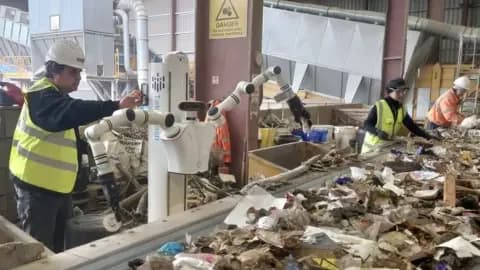
The global recycling industry is undergoing a significant transformation as waste management firms increasingly turn to robotics and artificial intelligence to address chronic labor shortages and hazardous working conditions. At the forefront of this shift is the Sharp Group’s recycling facility in Rainham, London, which processes approximately 280,000 tonnes of mixed materials every year. Faced with a daunting 40% staff turnover rate driven by the loud, demanding, and often dangerous nature of the work, the company is now training a humanoid robot named Alpha to assist in the complex task of sorting recyclable materials.
The integration of automation is not merely a response to staffing gaps but also a strategic move to enhance operational efficiency. Experts in the sector highlight that combining robotics with advanced AI allows for higher recovery rates of valuable materials that human sorters might miss. Industry leaders such as AMP and Glacier have already demonstrated the effectiveness of robotic solutions in managing the intricate complexities of waste streams. These systems can operate continuously in environments that would be physically taxing for human workers, effectively mitigating risks associated with sharp objects and heavy machinery while maintaining consistent performance.
While the rise of automation raises questions about the future of manual labor in the waste sector, the current strategy focuses on job evolution rather than outright displacement. Waste firms plan to transition their existing workforce into higher-skilled roles, specifically focused on the maintenance and supervision of the robotic systems. This shift suggests a future where the recycling plant is a more technical and safer environment, where human oversight and mechanical precision work in tandem to meet the growing global demand for sustainable waste processing and resource recovery.
This story touches markets covered on Anansi Intelligence ↗.
More from technology
Continue exploring similar stories


