••
Bridging the Gap: Educators and Traditional Leaders Advocate for Humanities and Practical Skills Integration
•2 min read•4 sources
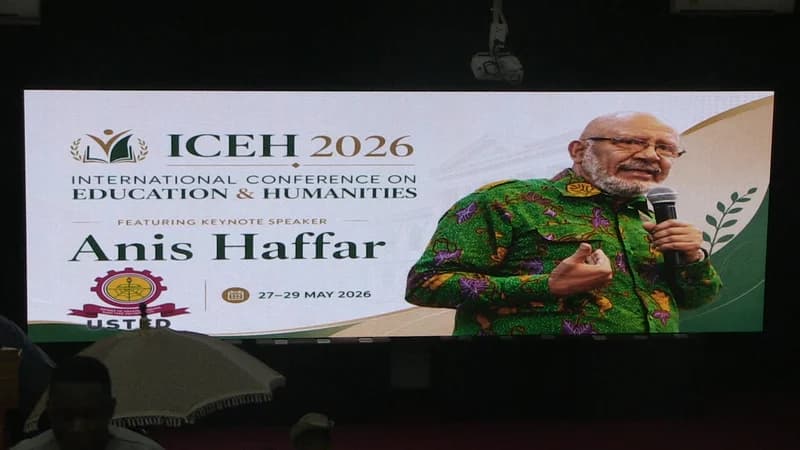
Educators, traditional leaders, and industry stakeholders have issued a collective call for a stronger integration of humanities education and practical skills training. Speaking at the International Conference on Education and Humanities held at the University of Skills Training and Entrepreneurial Development (USTED) in Kumasi, participants highlighted that the synergy between theoretical knowledge and vocational expertise is essential for Ghana’s sustainable development. The event brought together over 250 participants globally, fostering an international exchange of ideas to discuss how educational frameworks can better address contemporary societal challenges.
Anis Haffar, the Founder of the Gifted and Talented Education (GATE) Institute, delivered a compelling argument for a shift in educational philosophy. He emphasized that education in developing countries like Ghana must transition from purely theoretical models to those that prioritize real-world applications. According to Haffar, the primary goal of education should be the improvement of the quality of life through practical problem-solving. By blending the critical thinking found in humanities with hands-on skills, he argued that students can be better prepared to innovate and contribute meaningfully to the national economy.
The conference also underscored the pivotal role of traditional authorities in reshaping the educational landscape and fostering community-based development. Nana Kessie I, representing traditional leadership, stressed the importance of Technical and Vocational Education and Training (TVET) as a primary tool for combating unemployment and driving economic growth. He called for a definitive end to the historical perception of TVET as an inferior educational path, urging a societal shift to recognize its immense value. Nana Kessie I further advocated for stronger partnerships between traditional leaders and academic institutions to enhance skill development and accessibility at the community level.
Looking toward the future, the conference concluded that the most effective educational models would be those that fuse modern technology with indigenous cultural wisdom. By fostering international networks and promoting continuous learning, the participants aim to create a well-rounded educational environment that balances technical proficiency with cultural values. This integrated approach is viewed as a critical step in preparing the next generation of Ghanaians for the complexities of the global workforce while ensuring sustainable national progress and future preparedness.
This story touches markets covered on Anansi Intelligence ↗.
More from education
Continue exploring similar stories


