••
South Korea Coach Hong Myung-bo Faces Intense Public and Presidential Backlash After Early World Cup Exit
•2 min read•1 source
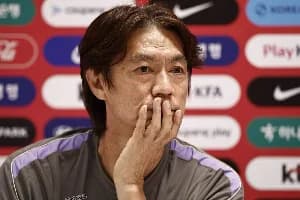
South Korea’s national football team manager, Hong Myung-bo, has come under severe scrutiny and public condemnation following the team’s disappointing exit from the World Cup. The Taeguk Warriors were eliminated in the group stages after a decisive loss to South Africa in their final group fixture. This early departure has triggered a wave of frustration across the nation, putting Hong’s leadership and tactical decisions at the center of a brewing storm as fans and officials demand answers for the lackluster performance on the global stage.
The backlash has not been confined to disgruntled fans and sports analysts; it has reached the highest levels of government. Reports indicate that the South Korean President has publicly criticized the team's performance, adding significant political weight to the growing calls for accountability within the national team setup. The atmosphere in the country is described as increasingly hostile, with some international reports suggesting the manager has faced such vitriol that he is metaphorically "banned from the streets." This phrasing underscores the extreme level of public fury and the potential social ostracization facing the coaching staff upon their return home.
Expectations for the South Korean team were remarkably high heading into the tournament, making the failure to progress beyond the group stage particularly stinging for a nation with a proud footballing heritage. The loss to South Africa served as the final blow in a campaign that many observers felt lacked the cohesion and strategic depth expected of a Hong Myung-bo-led side. Critics are now intensely questioning the selection process, the tactical rigidity observed in the matches, and the overall preparation methods employed leading up to the showpiece event.
As the fallout from this early exit continues, the future of Hong Myung-bo as head coach remains highly precarious. While the national football authorities are expected to conduct a comprehensive review of the team's performance, the combination of presidential disapproval and widespread public anger makes a change in leadership appear increasingly likely. This World Cup campaign is poised to spark a broader debate about the long-term direction of South Korean football and the systemic reforms needed to ensure the national team can once again compete as a powerhouse in international football.
This story touches markets covered on Anansi Intelligence ↗.
More from sports
Continue exploring similar stories


