••
Government to Invest GH₵2.5 Billion in School Infrastructure Amid Rising Debate Over GETFund Allocations
•2 min read•6 sources
Ghana’s Minister of Education, Haruna Iddrisu, has announced a significant GH₵2.5 billion investment in second-cycle education infrastructure scheduled for 2026-2027. This initiative, supported by the World Bank, aims to address chronic overcrowding and inadequate facilities in schools by prioritizing the construction of new classrooms, science laboratories, ICT centers, and libraries. The announcement follows the government’s implementation of the 'No Fees Stress' policy, which has already benefited over 312,000 first-year tertiary students at a cost of GH₵888 million, emphasizing the administration's focus on enhancing access for low-income students.
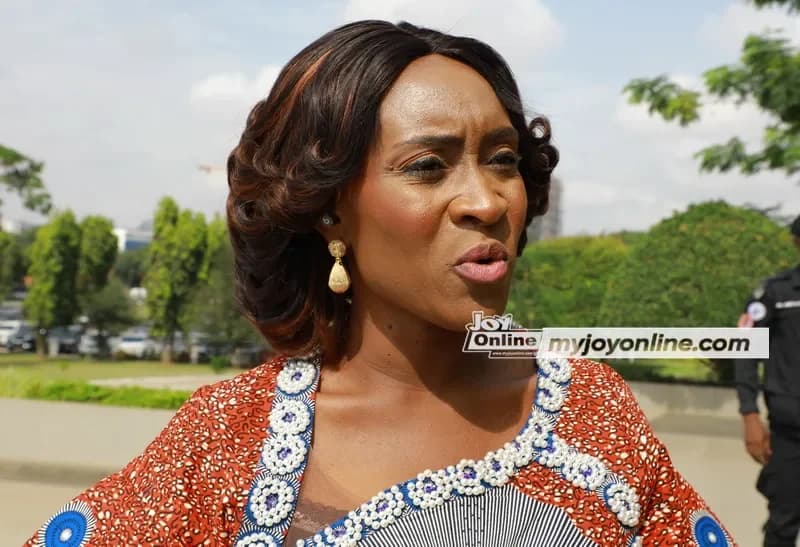
However, this focus on education spending has sparked a heated debate in Parliament regarding the sustainability of the Ghana Education Trust Fund (GETFund). Abena Osei-Asare, the Member of Parliament for Atiwa East, has criticized the government's decision to allocate GH₵4.2 billion—representing approximately 42% of GETFund’s 2026 resources—specifically to the Free Senior High School (SHS) feeding program. Osei-Asare warned that diverting such a large percentage of the fund undermines its primary mandate of supporting educational infrastructure, especially when the nation faces a massive infrastructure backlog estimated between GH₵8 billion and GH₵10 billion. She urged for a review of the 2027 national budget to ensure that feeding costs do not compromise critical building projects.
The urgency for infrastructure support is particularly evident in rural regions like Sawla-Tuna-Kalba, where MP Andrew Dari Chiwitey has appealed for immediate GETFund intervention. Residents in Garkuon report that their only school has been in a state of collapse for over four years, with crumbling walls and damaged roofs making classrooms dangerous for students. The situation is further exacerbated during the rainy season, when flooded streams often cut off communities from their schools entirely. Chiwitey emphasized that without targeted rehabilitation, the gap in educational quality between rural and urban areas will continue to widen, leaving many students behind.
In response to these concerns, Minister Iddrisu defended the current funding strategy as a necessary part of the government’s commitment to the Free SHS policy, though he acknowledged the need for a potential reassessment of GETFund’s priorities to focus more on basic education. Looking ahead, the Ministry plans to pair physical infrastructure improvements with digital reforms, including the introduction of robotics, coding, and Artificial Intelligence (AI) into the national curriculum. The government maintains that these reforms will be applied equitably across both urban and rural schools through partnerships with the private sector and international stakeholders.
This story touches markets covered on Anansi Intelligence ↗.
More from education
Continue exploring similar stories


