••
Education Minister Haruna Iddrisu Unveils $331m Infrastructure Plan to End SHS Double-Track System by 2029
•3 min read•6 sources
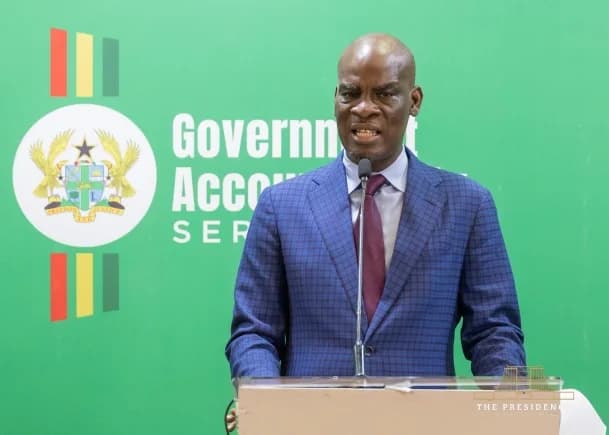
The Minister for Education, Haruna Iddrisu, has announced a landmark $331 million infrastructure program aimed at eliminating the double-track system in senior high schools (SHSs) by 2029. This initiative, known as the Secondary Education Transformation and Resilient Reform (STAR-J) program, has received Cabinet approval and is backed by the World Bank. The program is designed to address the significant infrastructure deficit caused by the surge in enrollment following the implementation of the Free SHS policy, which now sees over 1.5 million students in the secondary education cycle. While the new 2029 target represents a shift from the previous administration's goal of 2027, the Minister emphasized that the investment will provide a sustainable solution to current capacity challenges.
As part of the STAR-J initiative, the government will undertake the rehabilitation and upgrade of 210 educational institutions, including 112 senior high schools and 38 technical and vocational education and training (TVET) schools. A key component of this expansion includes the construction of two new community day senior high schools in Nima, Accra, and Kasoa in the Central Region. The Nima facility is expected to specialize in science education to meet local academic demand, while the Kasoa project will address the rapid population growth in that enclave. By prioritizing community day schools over boarding conversions, the Ministry aims to maximize student access while managing operational costs.
Beyond physical infrastructure, Minister Iddrisu detailed a comprehensive suite of educational reforms and welfare projects. This includes the establishment of a dedicated TVET Fund, the construction of 50,000 housing units for teachers, and the distribution of 12.2 million sanitary pads to female students to improve school attendance. The Minister also confirmed that the 2026 Basic Education Certificate Examination (BECE) results are expected to be released by July 31, following briefings from the Director-General of the Ghana Education Service. Furthermore, a revised basic education curriculum is being introduced to place a stronger emphasis on foundational learning and new subject areas.
To ensure the long-term success of these investments, the Ministry has launched a sample national standardized test involving approximately 16,000 learners from Kindergarten Two through Primary Six. This assessment exercise, monitored by the Minister at several centers in Accra, marks a transition toward a cohort-based learning model. By tracking the same group of students throughout their educational journey, the government aims to generate reliable data to identify learning gaps and refine teaching strategies. These integrated efforts reflect a broader strategy to move beyond crisis management toward a high-quality, data-driven educational system for all Ghanaian children.
This story touches markets covered on Anansi Intelligence ↗.
Related topic
Ghana Education Service (GES): Latest News Today →More from education
Continue exploring similar stories


