Ghana News AI
HomeBriefsAsk GhanaAnalysisTopicsAbout
•
•

Stay Informed

Get AI-curated news briefs from Ghana delivered to your inbox every morning. Free forever, no spam.

Explore

  • Home
  • Briefs
  • About

Categories

  • Politics
  • Business
  • Sports
  • Entertainment
  • Africa

Features

  • Analysis
  • Cedi Rates
  • Dollar to Cedi
  • Ghana Gold Price

Topics

  • All Topics
  • Armed Forces Recruitment
  • Immigration Service Recruitment
  • Fire Service Recruitment
  • Prisons Service Recruitment
  • Customs Recruitment
  • WAEC Results & News
  • Ghana Education Service

Legal

  • Privacy Policy
  • Terms of Service
Ghana News AI© 2026 Ghana News AI. All rights reserved.
Made withfor Ghana
business

GRA Extends Tax Filing Deadline to July 6 Amid Severe Economic Disruption from Accra Floods

Yesterday•3 min read•7 sources
GRA Extends Tax Filing Deadline to July 6 Amid Severe Economic Disruption from Accra Floods
  1. Home
  2. /Business
  3. /GRA Extends Tax Filing Deadline to July 6 Amid Severe Economic Disruption from Accra Floods

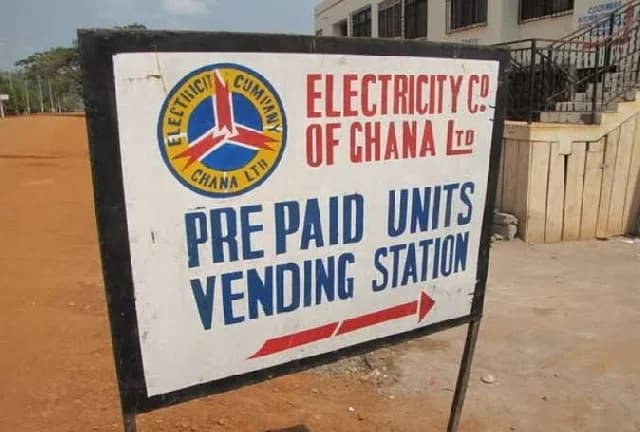
The Ghana Revenue Authority (GRA) has officially extended the deadline for filing second-quarter tax returns to July 6, 2026, in response to severe flooding that has paralyzed parts of the capital. The extension applies to Corporate Income Tax (CIT), Personal Income Tax (PIT), and May 2026 returns for Value Added Tax (VAT), National Health Insurance Levy (NHIL), and Communications Service Tax (CST). This administrative relief is intended to support businesses and individual taxpayers struggling with the logistical and operational disruptions caused by the recent torrential rains, ensuring that those who file by the new date avoid penalties. Taxpayers are encouraged to utilize digital platforms but can seek assistance from local GRA offices if operational challenges persist. The economic toll of the flooding is becoming increasingly visible across various sectors, from technology hubs to small-scale agriculture. Ghana Digital Centres Limited (GDCL) reported significant losses after floodwaters inundated its premises, impacting 23 resident businesses and causing extensive damage to laptops and essential electronic equipment. Deputy CEO Christine Adwoa Agyapomaa Ansong described the event as one of the facility’s worst disasters, necessitating a temporary closure of operations. Similarly, in the agricultural sector, a poultry farmer in Dawhenya shared a harrowing account of losing his entire flock—leaving only one bird alive—and has appealed to the National Disaster Management Organisation (NADMO) for urgent assistance to recover from the business-crippling loss. While emergency services and relief measures are underway, critical infrastructure providers are also working to stabilize services. The Electricity Company of Ghana (ECG) announced the full restoration of its vending system and payment platforms, which had suffered disruptions during the peak of the floods. Customers can now resume purchasing electricity credits via the ECG PowerApp and authorized vendors. However, long-term flood mitigation efforts face significant hurdles. The World Bank has issued a warning regarding the $350 million Greater Accra Resilient and Integrated Development (GARID) Project. Despite being fully financed, the project is reportedly experiencing a funding gap and implementation delays due to fiscal controls imposed by the Ministry of Finance, potentially stalling vital drainage and flood control works. As the city begins to recover, the immediate focus for businesses remains damage assessment and long-term resilience. The Ghana Digital Centres is currently preparing a comprehensive damage report for the government to secure support for restoration. While the GRA’s extension provides a temporary fiscal cushion, the recurring nature of these disasters highlights the urgent need for consistent investment in the GARID project to prevent future economic paralysis and protect the livelihoods of both urban entrepreneurs and rural farmers.

Our Take

From the Team

Coming Soon

Our team will add key insights, trends, and actionable takeaways to help you stay informed faster.

This story touches markets covered on Anansi Intelligence ↗.

Related topic

Ghana Customs Recruitment: Latest News & Updates →

More from business

Continue exploring similar stories

Dr Joseph Mensah-Ansah, CEO, Association of Hospitality and Tourism Educators and Consultants Africa, speaking at the event
business|Yesterday

Trump’s $1bn Crypto Earnings and USMCA Trade Tensions Headline Global Business Shifts as Ghana Advances Green Economy

The global business landscape is navigating a period of intense volatility and transformation, highlighted by US President Donald Trump’s disclosure of over $1 billion in 2025 earnings from cryptocurrency ventures and simultaneous tensions in North American trade. According to a detailed financial report, Trump’s earnings were significantly bolstered by $635 million in royalties from a meme coin and over $500 million from World Liberty Financial, a firm managed by his sons. This financial surge, which has brought his estimated net worth to between $6 billion and $7.6 billion, coincides with a strategic shift in US trade policy. The United States has opted not to renew the US-Mexico-Canada Agreement (USMCA) in its current form, avoiding an automatic 16-year extension. This decision stems from unresolved disputes regarding automotive rules of origin, dairy market access, and concerns over third-party exploitation by non-member countries, effectively starting a ten-year countdown to the deal's potential termination. Parallel to these political and financial shifts, the regional energy market in West Africa is seeing new sourcing patterns. Nigeria’s Dangote Petroleum Refinery has notably diversified its supply chain by importing its first-ever crude oil cargoes from the United Arab Emirates. This move represents a significant departure from its previous reliance on domestic Nigerian and US crude, which accounted for 70% and 24% of its sourcing respectively in 2025. This diversification reflects a broader trend of large-scale African enterprises seeking global partnerships to stabilize operations and optimize production in a fluctuating commodities market. Closer to home, Ghana is positioning itself as a hub for sustainable industrial growth through green entrepreneurship and the development of a circular economy. During the recent Ghana-Italy Circular Economy Dialogue, industry leaders emphasized that establishing clear standards and fostering technology transfer are critical to attracting long-term investment. This vision is being realized on the ground by companies like Dyson Energy, which recently secured a €25,000 grant from ShEquity to advance its carbon certification and train more women as solar engineers. The push for sustainability is also reaching the hospitality sector, where leaders like Dr. Joseph Mensah-Ansah of AHTEC Africa are urging stakeholders to adopt solar power and smart water conservation technologies to enhance operational efficiency. These developments—spanning digital assets in the US, oil logistics in Nigeria, and renewable energy in Ghana—illustrate a global business environment increasingly defined by a dual focus on emerging technology and environmental resilience. For Ghana, the integration of green technologies and circular economic principles offers a pathway to economic resilience and job creation. As international trade frameworks like the USMCA undergo scrutiny and digital assets gain mainstream political traction, businesses in West Africa must continue to adapt by aligning with international standards and embracing sustainable innovation to remain competitive on the world stage.

Accra's Luxury Real Estate Market Booms in Cantonments Amid Renewed Focus on Social Security and Welfare
business|Yesterday

Accra's Luxury Real Estate Market Booms in Cantonments Amid Renewed Focus on Social Security and Welfare

Accra’s real estate sector is witnessing a significant transformation, with the diplomatic enclave of Cantonments solidifying its position as the nation's premier investment hub. As of 2026, the district continues to command the highest property prices in Ghana, with valuations reaching up to GH― 85,000 per square meter. Properties in this high-security zone, which houses numerous embassies and elite infrastructure, range from $450,000 luxury apartments to villas priced at $2.3 million. This surge in value is being driven by a steady demand from high-net-worth tenants, including diplomats and corporate executives, with the area projected to see an annual appreciation of 5-8%. Beyond the high price tags, a new standard is emerging in the luxury market: the demand for personalized living spaces. Developers like Quao Realty are leading this shift with projects such as 'The Autograph' and 'Britton’s Residence,' which allow buyers to move away from uniform designs toward curated, character-rich interiors. Industry data suggests that this move toward personalization not only enhances emotional satisfaction for homeowners but also significantly boosts the market value of properties. Investors are increasingly seeking homes that serve as expressions of individuality, reflecting a broader trend of bespoke luxury across Accra’s most prestigious neighborhoods. While the high-end property market flourishes, Ghana’s social security and welfare institutions are also making strides to ensure long-term stability for citizens. The Social Security and National Insurance Trust (SSNIT) recently celebrated a milestone by honoring Madam Ima Zenabu Dagomba, the country’s oldest female pensioner, on her 100th birthday. Having received her pension since 1993, Madam Dagomba’s case highlights the critical importance of retirement planning. SSNIT is utilizing such success stories to advocate for expanded coverage within the informal sector and has introduced new telehealth programs to support the healthcare needs of its aging beneficiaries. Parallel to these developments in financial security, the Ghana Prisons Service is calling on the private sector to bridge the gap in inmate welfare. Despite a recent government increase in the daily feeding allowance from GH― 1.80 to GH― 5.00, officials in the Ashanti Region emphasize that this remains insufficient for comprehensive care. During a recent donation event at the Kumasi Central Prisons, Chief Superintendent Richard Bukari urged corporate organizations and philanthropists to assist with essential medicines and healthcare supplies. These converging narratives from luxury real estate growth to the strengthening of social safety nets underscore a complex economic landscape where private prosperity and public welfare must advance together.

Ghana’s Evolving Business Landscape: Experts Propose Four-Day Work Week as Remote Marketing Salaries Hit $7,000
business|Yesterday

Ghana’s Evolving Business Landscape: Experts Propose Four-Day Work Week as Remote Marketing Salaries Hit $7,000

The Ghanaian professional landscape is undergoing a significant transformation as discussions shift toward modern work-life models and the lucrative potential of global remote careers. Industry experts are currently exploring the feasibility of a four-day work week in Ghana, utilizing the 100:80:100 model. This framework guarantees 100% pay for 80% of the usual hours, provided that 100% productivity is maintained. While successful international trials have shown reduced employee burnout and higher job satisfaction, local analysts warn that implementation must be cautious and evidence-based, particularly given the dominance of the informal economy and the unique challenges within Ghana's formal sectors. In tandem with shifts in work structures, the marketing sector is witnessing a paradigm shift where specialized skills are significantly outperforming traditional generalist roles in terms of compensation. Professionals focusing on performance marketing, data analytics, CRM management, and AI tools are now commanding premium salaries. Reports indicate that marketing specialists in Ghana can earn as much as $7,000 per month by securing remote positions with global firms. This salary jump is driven by a preference among 78% of marketing leaders for specialized expertise over general experience, with high-paying roles increasingly tied to measurable financial outcomes rather than traditional brand management. While high-level marketing careers offer immense growth, the domestic corporate sector remains active in consumer engagement. Samsung Ghana recently highlighted this vibrancy by announcing the first batch of winners for its 'Buy Galaxy, Score Big' promotion. The campaign, which encourages customers to register eligible devices for a chance to win high-value prizes such as TVs and washing machines, underscores the ongoing digital retail push in the country. This promotional activity reflects a broader trend of companies leveraging premium hardware sales to maintain market presence during this period of professional transition. Ultimately, the convergence of flexible work models and the rise of high-demand digital skills suggests a new era for the Ghanaian workforce. To maximize earning potential by 2026, professionals are encouraged to move beyond local job titles and focus on building portfolios that address global business challenges. Whether through adopting shorter work weeks to boost efficiency or upskilling in performance-based marketing, the Ghanaian business environment is increasingly rewarding those who can combine local relevance with global marketability and technological proficiency.

Joseph Kwadwo Badu Boateng, also known as "Dada Joe Remix,"
business|Yesterday

Joana Quaye Challenges Bills Micro-Credit Share Transfer as Global Business Cases Involving Bayer and 'Dada Joe Remix' Advance

The Ghanaian and international business landscapes are currently defined by significant legal confrontations, ranging from localized shareholding disputes to multi-billion dollar corporate settlements. In Accra, Joana Quaye has initiated legal action against her ex-husband, Richard Nii Armah Quaye, over the ownership of Bills Micro-Credit Limited. Simultaneously, the global financial community is monitoring the extradition and guilty plea of Joseph Kwadwo Badu Boateng in a 4.4 million dollar fraud case, alongside a pivotal Missouri court hearing scheduled for August 19, 2026, to review Bayer's 7.25 billion dollar Roundup settlement. At the High Court in Accra, the internal governance of Bills Micro-Credit Limited is under scrutiny following a lawsuit filed by Joana Quaye. She is contesting the unauthorized transfer of her 10 percent shareholding to Kobbina Awuah, an action allegedly orchestrated by her ex-husband. The suit seeks 14 distinct reliefs, including a declaration of ownership and an accounting of the company's profits. Mrs. Quaye asserts that the transfer violated the Companies Act and occurred without her consent, leading to her disputed removal as a director and a demand for damages for fraud against Richard Nii Armah Quaye. On the international front, Joseph Kwadwo Badu Boateng, widely known as 'Dada Joe Remix', has pleaded guilty to conspiracy to commit wire fraud after being extradited from Ghana to the United States. Boateng admitted to a decade-long scheme that defrauded over 18 elderly American victims of approximately 4.4 million dollars through romance and inheritance scams involving false claims of inheritance and taxes. Arrested in May 2025 through a collaboration between Ghanaian and U.S. authorities, his case highlights the intensifying crackdown on cross-border financial crimes. He is expected to pay full restitution, with sentencing scheduled for September 8, 2026, in Tucson, Arizona. Furthermore, the corporate world awaits a Missouri state court hearing regarding Bayer's proposed 7.25 billion dollar settlement for lawsuits involving its Roundup weedkiller. Despite a Supreme Court ruling that reduced the number of claims, Bayer still faces nearly 65,000 cases alleging that the product causes cancer. While the company maintains Roundup's safety and remains committed to the deal, the proposed settlement seeks to manage current and future liability. However, approximately 4,000 federal cases remain unresolved, underscoring the persistent legal challenges facing multinational agricultural giants. These cases collectively illustrate a tightening of regulatory and legal oversight within the business sector. Whether involving private shareholding disputes in micro-finance or massive international wire fraud and product liability, the theme of accountability remains central. As these proceedings move toward final judgments and settlements in 2026, they serve as a reminder of the critical importance of transparent corporate governance and the far-reaching consequences of financial misconduct in an interconnected global economy.

All
africa
business
education
entertainment
health
news
politics
sports
technology