••
Controversy as Government Defends President Mahama’s Use of Brother’s Private Jet for Official Travel
•3 min read•30 sources
The Ghanaian government has mounted a strong defense of President John Dramani Mahama’s decision to utilize a private jet owned by his brother, Ibrahim Mahama, for recent official international travels. Minister of State for Government Communications, Felix Ofosu Kwakye, clarified that the arrangement is a temporary, cost-saving measure necessitated by the persistent unreliability of the official presidential aircraft. According to government officials, the Ghana Air Force has deemed the current state jet unsafe and prone to frequent technical breakdowns, leading to a Cabinet recommendation for the procurement of a new aircraft. In the interim, the administration argues that using the family-owned 'Dzata' jet prevents the state from incurring exorbitant charter fees, which can reach up to $18,000 per hour.
Felix Ofosu Kwakye emphasized that the state only bears the direct operational expenses of these flights, such as fuel and landing charges, while Ibrahim Mahama remains responsible for maintenance, servicing, and crew salaries. He dismissed allegations of a conflict of interest, asserting that the arrangement is a patriotic gesture that protects the public purse from high rental costs during a transition period. The government further noted that Parliament has already approved the process for acquiring a new presidential jet to ensure the safety and efficiency of the President’s travel without relying on private interests in the long term.
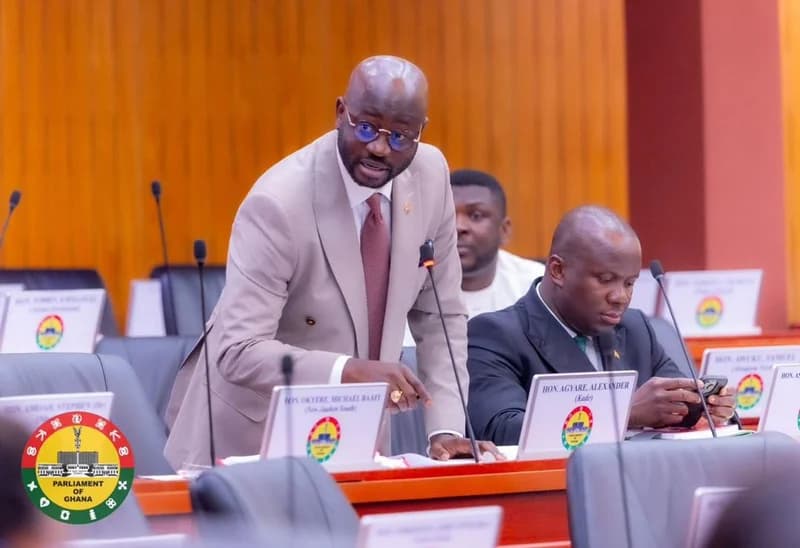
However, the Minority in Parliament and civil society groups have raised sharp ethical concerns, describing the practice as a potential breach of the Code of Conduct for government appointees. Nana Asafo-Adjei Ayeh, Deputy Ranking Member of Parliament’s Foreign Affairs Committee, and Walewale MP Abdul Kabiru Tiah Mahama have questioned the 'no-cost' narrative, arguing that such favors from private individuals could create future obligations or hidden financial burdens. Franklin Cudjoe, President of IMANI Africa, also critiqued the move, pointing out a contradiction between the President’s calls for fiscal discipline among appointees and his own use of a private aircraft. These critics suggest that the arrangement undermines public trust and sets a dangerous precedent regarding the acceptance of high-value gifts by state officials.
The unfolding discourse has now shifted toward formal accountability, with the Minority filing parliamentary inquiries to demand a full breakdown of the costs and justifications for the President’s travel arrangements since taking office. The debate has also reignited political tensions over 'double standards,' as opposition members recalled past criticisms of travel practices under previous administrations. As the government proceeds with the procurement of a new official aircraft, the controversy remains a focal point for discussions on transparency, executive ethics, and the management of state resources in Ghana.
This story touches markets covered on Anansi Intelligence ↗.
Related topic
John Mahama: Latest News & Updates →More from politics
Continue exploring similar stories


