••
Google Re-enters Smart Glasses Market with AI-Powered Gemini Integration
•2 min read•2 sources
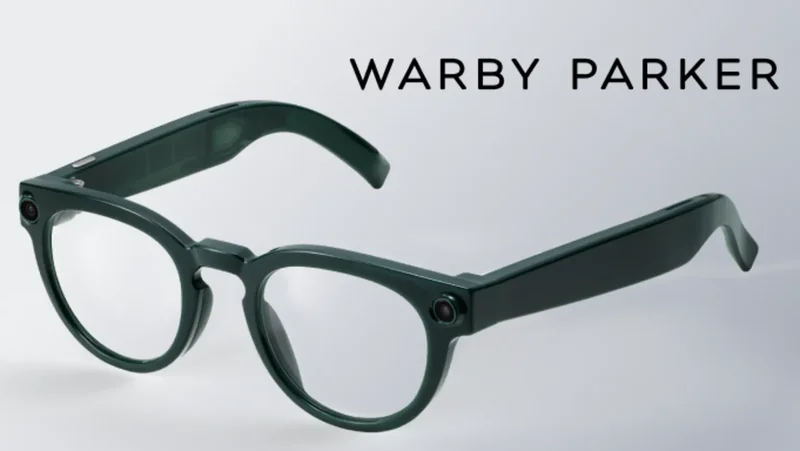
Google has officially announced its return to the smart glasses market, marking its first major foray into wearable headgear since the discontinuation of the original Google Glass nearly a decade ago. Set for release in autumn 2023, the new hardware is designed to prioritize seamless interaction with Gemini, Google’s advanced artificial intelligence model. Unlike its predecessor, which struggled with public perception and high costs, this new iteration focuses on a hands-free audio and visual experience that integrates with a user's daily digital life without the immediate requirement of a visual display.
The upcoming devices are the result of high-profile design collaborations with eyewear brands Warby Parker and Gentle Monster, signaling a strategic move toward fashionable, consumer-friendly aesthetics. Technical specifications include a discreetly integrated camera and speakers, enabling users to communicate directly with AI assistants and access existing Google services such as Maps and Voice commands. Crucially, the glasses are designed for cross-platform utility, offering compatibility with both Android and Apple’s iOS devices, which significantly broadens their potential market reach compared to earlier proprietary models.
This strategic pivot comes as the tech giant seeks to overcome the privacy concerns and social stigma that plagued its 2015 attempt. While Google is reportedly developing a more advanced version featuring an in-lens display for augmented reality (AR) experiences, this feature will not be available in the initial launch. Instead, the company is prioritizing audio-first utility and AI assistance as a foundation for its wearable ecosystem. Industry experts view this move as a positive step for the broader market, following similar product successes from Meta and anticipated releases from other tech giants.
For developers and consumers alike, Google’s reentry into the wearable space presents new opportunities for application building and digital interaction. Analysts suggest that the integration of established Google services into a wearable form factor could transform how users navigate their environments and access information on the go. As the smart glasses sector becomes increasingly competitive with entries from Meta, Snap, and Apple, Google's return signifies a renewed confidence in the potential for AI-driven wearable technology to become a mainstream consumer staple.
This story touches markets covered on Anansi Intelligence ↗.
More from technology
Continue exploring similar stories


