••

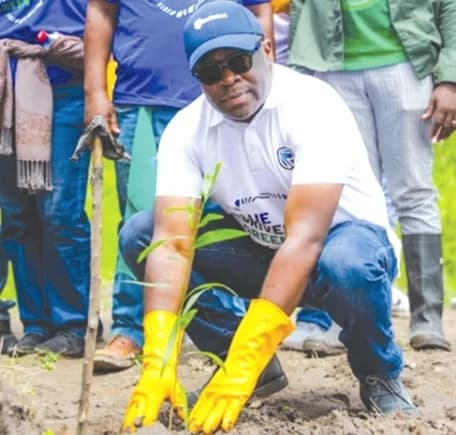
The Ghanaian business landscape is experiencing a transformative phase as major institutions embrace strategic partnerships and sustainability to drive national growth. The Ghana Gold Board (GoldBod) has officially teamed up with music icons Shatta Wale and Medikal to promote locally crafted gold jewelry, aiming to enhance the country's value-addition agenda. Concurrently, Stanbic Bank Ghana has intensified its environmental commitment with a massive tree-planting initiative, targeting 50,000 trees this year and one million in the long term. These moves reflect a growing trend of aligning commercial interests with cultural influence and ecological responsibility to bolster the national economy.
Youth empowerment remains a central pillar of this economic shift, with several initiatives targeting the next generation of creatives and entrepreneurs. The Coalition for Positive Impact (CPI) recently hosted the Igniting Dreams Summit 2026, where founder Maazu Bayouni urged stakeholders to invest in young entrepreneurs in Northern Ghana to combat poverty and unemployment. Similarly, Haizel’s Atelier in Accra is launching a summer program for teenagers to provide practical exposure to design and branding. Founded by Harribel Yeboah, the studio emphasizes that creativity is a critical career skill, fostering an entrepreneurial mindset among the youth through hands-on workshops and luxury branding exposure.
The collaboration between GoldBod and high-profile musicians is a strategic attempt to position Ghana as a global hub for gold jewelry. CEO Sammy Gyamfi noted that by showcasing "Made-in-Ghana" products through music videos, social media, and international events like ShattaFest UK, the industry can create significant job opportunities and keep more of the gold value chain within the country. This synergy between the creative arts and the mining sector represents a unique approach to economic development, leveraging the global reach of Ghanaian music to market local artisanal excellence and advance the country's industrial agenda.
Environmental sustainability also takes center stage as Stanbic Bank Ghana works toward its goal of significant reforestation. CEO Kwamina Asomaning highlighted the importance of merging economic growth with climate action, noting that the initiative will improve air quality and vegetation in both rural and urban areas like Juaso, Tamale, and Accra. This sense of long-term vision and resilience is mirrored in the personal narratives of business leaders like Bunmi George, who recently shared insights on navigating economic hardships, emphasizing the human capital and determination required to maintain stability in a volatile marketplace.
Ultimately, these developments—ranging from luxury branding and jewelry promotion to reforestation and youth summits—point toward a more diversified and sustainable Ghanaian economy. By investing in human talent, technological tools like AI for research at Haizel's Atelier, and environmentally sound practices at Stanbic, local businesses are setting a new standard for growth. The continued focus on value addition and regional development, particularly in Northern Ghana as championed by the CPI and Upper West Regional Minister Charles Lwanga Puozing, suggests a comprehensive strategy to ensure prosperity reaches every corner of the nation.
This story touches markets covered on Anansi Intelligence ↗.
Related topic
Shatta Wale: Latest News & Updates →Live rates
Ghana gold price →Continue exploring similar stories


