••
Legal and Political Friction Intensifies as Former AG Godfred Dame Critiques Administration Amidst High-Profile Corruption Trials
•3 min read•41 sources
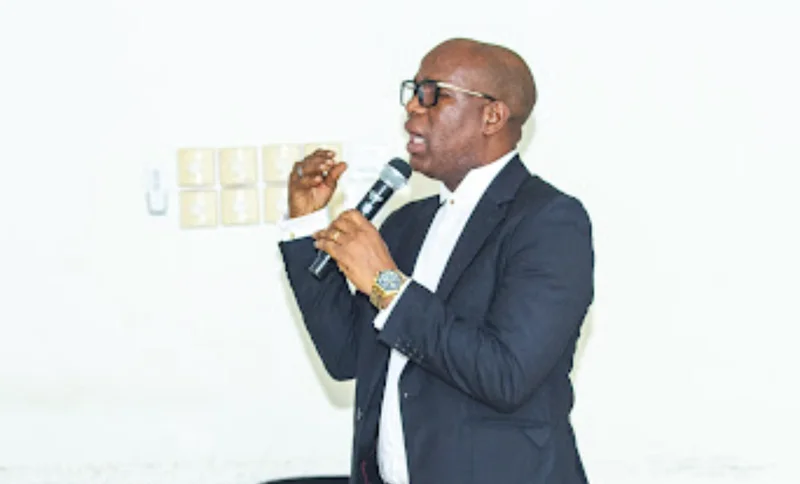
Ghana’s political and legal landscape is currently defined by a series of high-stakes confrontations between former and current government officials, alongside significant developments in high-profile corruption trials. Immediate past Attorney General Godfred Yeboah Dame has emerged as a vocal critic of the current administration, describing recent legal maneuvers against the Office of the Special Prosecutor (OSP) as "shocking and perplexing." Dame, who maintained he never interfered with the OSP during his tenure, expressed concern that ongoing legal disputes risk undermining the nation's anti-corruption efforts. This friction is further exemplified by the controversial re-arrest of former NAFCO CEO Abdul-Wahab Hanan and his wife by the Economic and Organised Crime Office (EOCO) shortly after the Attorney General dropped original charges. While Dame’s legal team has criticized the denial of access to their clients, Deputy Attorney General Dr. Justice Srem-Sai defended the move, citing fresh evidence and accusing Dame of choosing media engagement over formal legal channels.
Adding to the political discourse, John Darko, the Member of Parliament for Suame, has publicly slammed the Operation Recover All Loots (ORAL) initiative, labeling it unconstitutional and a product of political haste. Darko argued that a president-elect lacks the legal authority to establish such investigative bodies, dismissing the operation as generating "just noise" without yielding tangible results. Meanwhile, the judiciary is navigating several complex cases involving high-ranking figures. These include the trial of Ashanti Regional Chairman Bernard Antwi Boasiako (Chairman Wontumi) over illegal mining allegations at Samreboi, and the Strategic Mobilisation Limited (SML) case involving former Finance Minister Ken Ofori-Atta. In the latter, the High Court recently granted Col. (Rtd.) Kwadwo Damoah permission to travel to London for training, despite objections from the prosecution regarding the OSP's ongoing investigation.
Institutional integrity and public trust have become focal points for state agencies amidst these legal battles. The National Commission for Civic Education (NCCE) has intensified efforts to promote values of transparency and accountability among the youth to restore confidence in governance. Simultaneously, officials from the Commission on Human Rights and Administrative Justice (CHRAJ) and regional judges have cautioned the media against irresponsible court reporting. They warned that sensationalized or unverified claims regarding ongoing trials could prejudice cases and erode public trust in the judiciary. This call for vigilance is underscored by the recent arrest of eleven individuals for using AI-generated deepfake videos to impersonate former President John Dramani Mahama, a development that highlights the growing threat of technology-driven fraud in the political sphere.
Looking ahead, the political stakes remain high as Godfred Yeboah Dame hints at a larger political future within the New Patriotic Party (NPP) ahead of the 2028 elections, even as he declines a run for Parliament. On a broader regional scale, the sentencing of Tunisia’s former Justice Minister and the suspicious death of a Rwandan government critic serve as somber reminders of the fragile nature of judicial independence and human rights across the continent. In Ghana, the resolution of the current standoff between the Attorney General’s office, the OSP, and high-profile defendants will likely set a critical precedent for the country’s commitment to the rule of law and institutional independence in the years to come.
This story touches markets covered on Anansi Intelligence ↗.
Related topic
NPP (New Patriotic Party): Latest News →More from politics
Continue exploring similar stories


