••
Ghana’s Economic Crossroads: GN Bank License Restoration and Cautious IMF Exit Spark Political Debate
•3 min read•24 sources
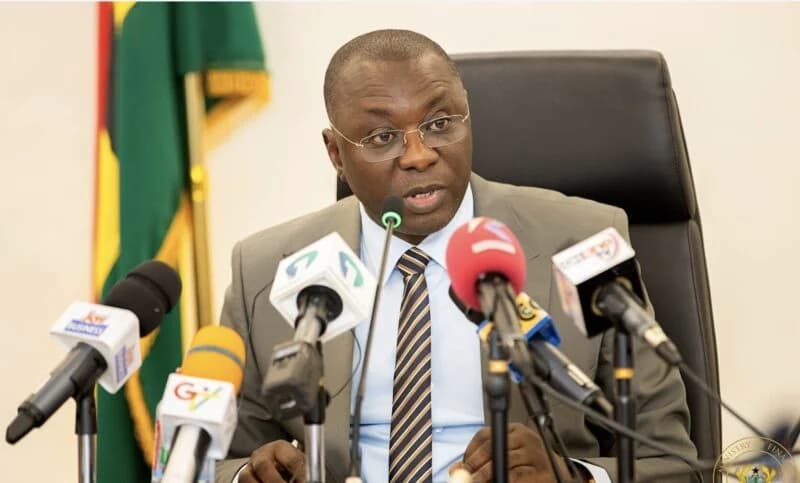
Ghana’s political and economic landscape is currently dominated by the high-profile legal victory of Groupe Ndoum and the cautious conclusion of the nation’s International Monetary Fund (IMF) program. The Court of Appeal’s decision to restore the license of GN Savings and Loans has reignited a fierce debate over the 2017 banking sector clean-up. Dr. Nana Kweku Ndoum, President of Groupe Ndoum, maintains that the institution’s initial collapse was not due to mismanagement but was precipitated by the government’s failure to pay over GH¢300 million in Interim Payment Certificates (IPCs) following a contract review by the New Patriotic Party administration. While the legal victory is seen as a vindication by Ndoum’s supporters, critics like former Finance Minister Mohammed Amin Adam warn that the ruling poses significant fiscal risks, potentially opening the door for similar claims from other defunct institutions and creating open-ended contingent liabilities for the state.
Amidst these legal developments, President John Dramani Mahama has signaled a somber approach to the completion of Ghana’s IMF program, rejecting any form of celebration as the country awaits the final disbursement of $380 million. During his “Resetting Ghana” tour, Mahama characterized the economic recovery as a "work in progress," emphasizing that his administration inherited a program that was dangerously off-track with several missed performance targets. By implementing stringent corrective measures, the government has stabilized the program, but Mahama insists that the current economic hardships faced by Ghanaians preclude the "kenkey and waakye parties" seen under previous administrations. This stance is supported by Dr. Adu Owusu Sarkodie of the Centre for Policy Scrutiny, who warned that without sustained fiscal discipline, Ghana remains vulnerable to returning to the IMF within a few years.
The tension between the executive and the legislature has further intensified as the Minority Caucus in Parliament demands the immediate presentation of the Bank of Ghana’s (BoG) 2025 audited financial statements. Highlighting a reported GH¢15.6 billion operating loss, Minority leaders argue that the central bank’s delay in filing its accounts is a breach of the Bank of Ghana Act. This call for accountability is mirrored by civil society voices like Senyo Hosi, who recently criticized the BoG for failing in its supervisory role during the initial GN Bank crisis. As the government navigates these financial controversies, the political climate remains charged with debates over the neutrality of state institutions and the protection of free speech, particularly following the controversial GH¢100,000 bail granted to NPP regional chairman Kwame Baffoe Abronye.
Looking ahead, the restoration of GN Savings and Loans will require a fresh prudential assessment by the Bank of Ghana to ensure the safety of depositors and the broader financial system. The convergence of these issues—regulatory credibility, fiscal transparency, and economic sovereignty—suggests that the coming months will be a critical test for Ghana’s democratic and financial institutions. Whether the government can maintain the discipline required by the new Policy Coordination Instrument (PCI) while addressing the legacy of the banking clean-up will likely be a defining theme in the upcoming national discourse, as stakeholders across the spectrum demand a balance between legal justice for local businesses and the long-term stability of the national economy.
This story touches markets covered on Anansi Intelligence ↗.
Related topic
NPP (New Patriotic Party): Latest News →More from politics
Continue exploring similar stories


